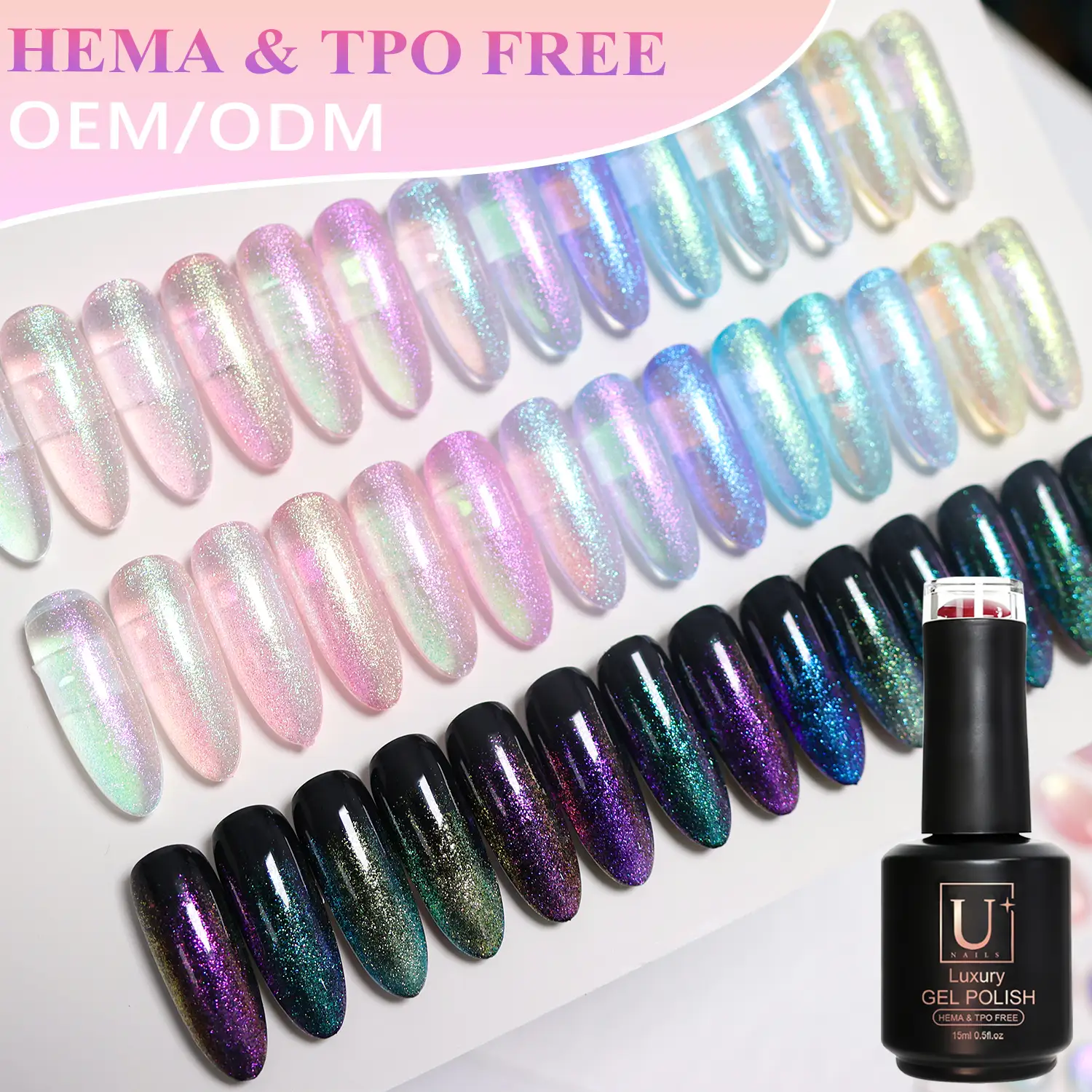
Выбор подходящего финишного покрытия — это заключительный и решающий этап в создании высококачественной системы гель-лаков для вашего бренда. От этого зависит, будет ли маникюр долговечным или начнёт отслаиваться, а также будет ли результат впечатляющим или разочаровывающим. В Yougel, мы специализируемся на предоставлении профессиональных решений для салонов и дистрибьюторов по всей Европе.
Данное руководство поможет вам разобраться в основных различиях между нашими двумя самыми популярными финишными покрытиями, что позволит вам сделать оптимальный выбор для вашей линейки продукции.
Финишное покрытие Diamond Shine No-Wipe и финишное покрытие Velvet Matte: в чём разница?
Самый простой способ понять разницу между финишным покрытием, не требующим вытирания, и бархатисто-матовым финишным покрытием — это обратить внимание на конечный результат и особенности нанесения.
| Характеристика | Финишное покрытие «Diamond Shine» без протирания | Матовое бархатистое верхнее покрытие |
|---|---|---|
| Отделка поверхности | Высокий блеск | Матовый / с мягким на ощупь покрытием |
| Визуальный эффект | Стеклоподобный, отражающий | Мягкий, сдержанный, утончённый |
| Протереть после отвердевания | Как правило, нет | Зависит от состава |
| Лучшее для | Классические, с блестками, хромированные, «кошачьи глаза» | Минимализм, мода, нейл-арт |
| Цветовой вид | Придаёт глубину и блеск | Смягчает блики |
| Позиционирование бренда | Премиум-класс, гламур, профессионализм | Современный, элегантный, сдержанный |
| Совместимость с нейл-артом | Отлично подходит для создания эффектов отражения | Отлично подходит для создания матовых эффектов |
| Привлекательность для потребителей | Клиенты, ориентированные на блеск | Клиенты, предпочитающие матовый стиль |
Это сравнение показывает, почему в споре между финишным покрытием без эффекта «wipe» и бархатно-матовым финишным покрытием нет однозначного победителя.
Правильный вариант следует выбирать с учетом всей системы гель-лаков, а не только исходя из верхнего слоя.
Что такое финишное покрытие Diamond Shine, не требующее протирания?
A Финишное покрытие «Diamond Shine» без протирания — это гелевое верхнее покрытие, отверждаемое под УФ- или LED-светом, разработанное для создания прозрачной поверхности с высоким уровнем глянца при минимальных затратах на очистку после отверждения.
Ключевым коммерческим преимуществом является эффективность рабочего процесса.
Традиционные гелевые системы могут оставлять липкий ингибирующий слой после отверждения, что требует использования очищающего средства и дополнительной очистки. Правильно сформулированное верхнее покрытие, не требующее очистки, разработано таким образом, что после отверждения образует гладкую поверхность, которую, как правило, можно использовать сразу же, при условии соблюдения инструкций производителя по нанесению.
Для профессиональных салонов это может упростить этап финишной обработки. Для брендов под собственной торговой маркой это также может стать полезным аргументом в пользу покупки продукта.
Основные преимущества
- Глянцевая, отражающая поверхность
- При правильном составе средства не требуется дополнительный этап очищения
- Подходит для повседневного использования с системами гель-лаков
- Помогает усилить эффекты блеска, мерцания, хромированного блеска и «кошачьих глаз»
- Высокая визуальная привлекательность коллекций маникюра премиум-класса
- Удобно для профессиональных салонных рабочих процессов
Плюсы
- Элегантный внешний вид, напоминающий стекло
- Эффективный рабочий процесс приложения
- Идеально подходит для создания глянцевых маникюров
- Хорошо сочетается со многими цветовыми гаммами
- Сильное визуальное воздействие в фотографии товаров
Минусы
- Отпечатки пальцев и следы на поверхности могут быть более заметными
- Глянцевые поверхности могут не подойти потребителям, предпочитающим минимализм
- Необходимо тщательно оценить совместимость состава и процесса отверждения
- Неправильно подобранные составы могут повлиять на долговечность блеска
Для покупателей, оценивающих финишное покрытие без полировки против финишного покрытия с бархатисто-матовым эффектом, эти факторы важны, поскольку изделие с высоким уровнем глянца не всегда является оптимальным решением для каждой коллекции.
Что такое матовое бархатное верхнее покрытие?
A Матовое бархатистое верхнее покрытие разработана для уменьшения поверхностного отражения и придания коже гладкого, сдержанного матового вида.
В отличие от обычных глянцевых верхних покрытий, его ценность заключается в текстуре и визуальном эффекте, которые оно придает поверхности ногтя.
Матовые покрытия стали особенно актуальны для брендов, ориентированных на минималистичную косметику, нейтральные цветовые гаммы, коллекции лаков в стиле люкс и художественный дизайн ногтей.
“Бархатное” покрытие также может создавать более мягкое визуальное впечатление, чем обычная плоская матовая поверхность.
Основные преимущества
- Элегантный матовый вид
- Подходит для минималистичных коллекций лаков для ногтей
- Создает контраст благодаря глянцевым элементам
- Отлично подходит для нейл-арта и дизайнов со смешанными эффектами
- Помогает выделить сезонные коллекции
- Идеально подходит для нейтральных, телесных, чёрных и приглушённых оттенков
Плюсы
- Изысканный и модный внешний вид
- Резкое отличие от традиционных глянцевых изделий
- Идеально подходит для современного нейл-арта
- Позволяет создавать интересные сочетания глянцевых и матовых поверхностей
- Подходит для минималистичных коллекций премиум-класса
Минусы
- Может по-разному отображать загрязнения на поверхности по сравнению с глянцевыми покрытиями
- Матовый вид может снизить визуальную интенсивность некоторых блестящих эффектов
- Требуется стабильность состава и характеристик отверждения
- Клиентам, предпочитающим традиционный блеск, может понравиться глянцевое верхнее покрытие
Именно поэтому финишное покрытие без полировки против финишного покрытия с бархатисто-матовым эффектом Это решение должно гармонировать с дизайнерской концепцией всей вашей коллекции.
Финишное покрытие Diamond Shine No-Wipe и финишное покрытие Velvet Matte: какое из них более стойкое?
Долговечность — один из важнейших вопросов для покупателей в сегменте B2B.
Однако неверно утверждать, что глянцевое верхнее покрытие всегда более долговечно, чем матовое, — или наоборот.
Фактическая производительность зависит от полный состав, система смол, система фотоинициаторов, толщина нанесения, совместимость с лампой, условия отверждения, подготовка ногтя и нижележащие слои геля.
Поэтому производителю следует оценивать разработку финишного покрытия на основе результатов контролируемых испытаний, а не только по внешнему виду.
К важным показателям эффективности относятся:
- Адгезия
- Устойчивость к царапинам
- Сохранение блеска
- Матовая текстура
- Устойчивость к пожелтению
- Характеристики отверждения
- Твёрдость поверхности
- Гибкость
- Совместимость с базовыми и цветными гелями
Для дистрибьюторов и владельцев брендов запрос технической документации и рекомендаций по применению у производителя является гораздо более надежным подходом к закупкам, чем выбор, основанный исключительно на маркетинговых заявлениях.
Какой финишный лак лучше подходит для различных дизайнов ногтей?
Сравнивая финишное покрытие, не требующее протирания, и финишное покрытие с бархатисто-матовым эффектом, учитывайте, какой дизайнерский эффект вы хотите создать.
Выбирайте финишное покрытие Diamond Shine No-Wipe для:
Ногти цвета «хром»:
Поверхность с высоким блеском поможет создать эффект отражения, необходимый для дизайна ногтей в стиле «хром».
Гель-лак «Кошачий глаз»:
Глянцевый блеск может усилить визуальную глубину и притягательность многих вариантов маникюра в стиле «кошачий глаз».
Блеск и сияние:
Глянцевая поверхность может сделать отражающие частицы ярче и придать им большую объёмность.
Классические салонные цвета:
Красный, розовый, телесный, белый и другие традиционные оттенки естественным образом сочетаются с глянцевым покрытием.
Выбирайте матовое верхнее покрытие Velvet Matte для:
Минималистичные дизайны ногтей:
Матовые поверхности гармонично сочетаются со сдержанными дизайнами и нейтральной цветовой гаммой.
Коллекции, вдохновленные миром роскоши:
Мягкая матовая поверхность позволяет создать престижный и изысканный визуальный образ.
Тёмные цвета:
Черный, бордовый, темно-зеленый, темно-синий и другие темные оттенки в сочетании с матовой отделкой позволяют создать самобытный и ультрамодный образ.
Нейл-арт с комбинированной отделкой:
Сочетание матовых и глянцевых элементов позволяет создать контраст без использования дополнительных цветов.
Таким образом, выбор между финишным покрытием, не требующим протирания, и бархатисто-матовым финишным покрытием в большей степени является вопросом продуктовой стратегии, чем простым техническим сравнением.
-

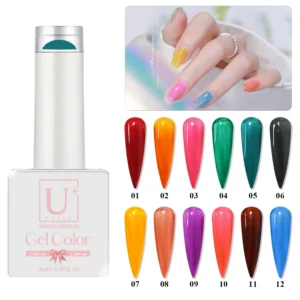
12 прозрачных цветов глазури Янтарный гель-лак оптом, гель-лак для дизайна ногтей
-
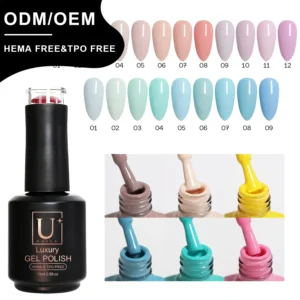
15 мл гель лак цвета навалом, 3000 цветов TPO-Free частной этикетки гель лак для ногтей
-
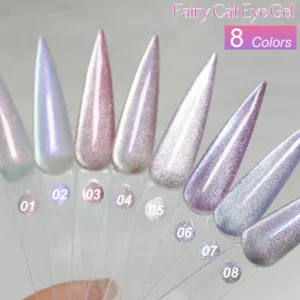
8 цветов геля кошачьего глаза феи оптом, TPO-бесплатный поставщик гель лака для ногтей | YOUGEL
-
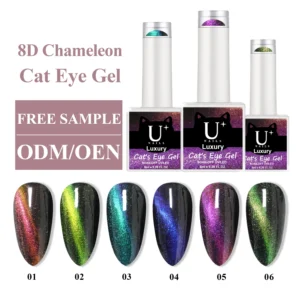
8D Chameleon Cat Eye Gel Polish Factory Wholesale, магнитный гель для ногтей без ТПО
Как брендам гель-лаков следует выбирать между ними?
Если вы разрабатываете линейку гель-лаков под собственной торговой маркой, перед выбором финишного покрытия ответьте на эти пять вопросов.
1. Кто является вашей целевой аудиторией?
Профессионалы в салонах, возможно, больше ценят эффективность нанесения, тогда как обычные потребители, скорее всего, уделяют больше внимания результату и внешнему виду.
2. Каков ваш стиль коллекционирования?
Гламурной коллекции может пойти на пользу глянцевая отделка, тогда как для минималистичной коллекции лучше подойдет бархатисто-матовый эффект. При выборе между финишным покрытием, не требующим протирания, и финишным покрытием с бархатисто-матовым эффектом, остановитесь на том варианте, который лучше всего соответствует визуальной идентичности и эстетике вашего бренда.
3. Какие цвета вы продаете?
Подумайте о том, как финишное покрытие меняет внешний вид вашей реальной палитры оттенков — например, как разные оттенки выглядят с финишным покрытием, не требующим вытирания, по сравнению с бархатисто-матовым финишным покрытием. Не оценивайте финишное покрытие только на прозрачном образце.
4. Какую систему приложений вы используете?
Верхнее покрытие должно быть совместимо с вашим базовым покрытием, цветным гелем, лампой для отверждения, толщиной нанесения и рекомендуемыми параметрами отверждения.
5. Какие утверждения вы можете сделать, не выходя за рамки дозволенного?
Бренды, работающие в сегменте B2B, должны избегать необоснованных заявлений, таких как “небьющийся”, “бессрочный” или “устойчив к царапинам 100%”. Заявления о свойствах продукции должны подкрепляться результатами соответствующих испытаний и документацией.
Почему важно выбирать финишные покрытия без HEMA и TPO
При разработке средств для гелевого маникюра, предназначенных для международных рынков, все большее значение приобретает соответствие ингредиентов установленным требованиям.
Европейская комиссия заявляет, что С 1 сентября 2025 года вводится запрет на размещение на рынке ЕС или предоставление в продажу косметических средств, содержащих ТПО, включая поставки профессиональным пользователям.
В результате Разработка гелевого верхнего покрытия без ТПО особенно актуально для брендов, ориентированных на европейский рынок.
Кроме того, важно проводить различие между понятием “без TPO” и общим соблюдением нормативных требований. Продукт по-прежнему должен проходить оценку на соответствие действующим нормам в области косметической продукции, ограничениям в отношении ингредиентов, требованиям безопасности, требованиям к маркировке, а также обязательствам, специфичным для конкретного рынка.
Европейская комиссия определяет Регламент (ЕС) № 1223/2009 в качестве основного нормативного документа ЕС, регулирующего готовую косметическую продукцию, и отмечает, что производители должны обеспечить соблюдение требований безопасности до вывода продукции на рынок.
HEMA — ещё один ингредиент, о котором покупатели всё чаще задают вопросы. Научный комитет по безопасности потребителей при Европейской комиссии отметил, что HEMA и Di-HEMA-TMHDC могут представлять риск сенсибилизации, особенно в случае ненадлежащего использования изделий или при контакте неотвердевшего материала с окружающей кожей.
Поэтому, сравнивая финишное покрытие, не требующее протирания, с бархатисто-матовым финишным покрытием, покупатели, ищущие варианты без HEMA или TPO, должны требовать от производителей не только маркетинговых заявлений. Необходимо запросить информацию о составе, документацию о соответствии требованиям, данные испытаний и подтверждение соответствия требованиям целевого рынка.
Улучшенный чек-лист для закупок верхней одежды в сегменте B2B
Вместо того чтобы задавать лишь один вопрос: “Глянцевый или матовый этот верхний слой?”, специалисты по закупкам должны оценивать продукт по целому ряду критериев.
Характеристики продукта
- Глянцевая или матовая текстура
- Адгезия
- Устойчивость к царапинам
- Характеристики отверждения
- Твёрдость поверхности
- Гибкость
- Устойчивость к пожелтению
- Длительная стойкость покрытия
Параметры формулы
- Варианты без HEMA
- Варианты без TPO
- Веганские блюда
- Позиционирование как «без жестокого обращения с животными»
- Различные варианты вязкости
- Различные характеристики применения
Производственные возможности
- Разработка рецептур по схеме OEM/ODM
- Индивидуальная упаковка
- Частная маркировка
- Разработка цвета и текстуры
- Разработка образцов
- Стабильность партии
- Процедуры контроля качества
Коммерческие аспекты
- MOQ
- Наличие образцов
- Срок выполнения заказа
- Варианты упаковки
- Требования к доставке
- Соответствие требованиям целевого рынка
- Документация по продукту
Данный контрольный список представляет собой более практичную основу для принятия решения о покупке финишного покрытия без необходимости протирания или финишного покрытия с бархатисто-матовым эффектом.
Часто задаваемые вопросы: Верхнее покрытие «Diamond Shine No-Wipe» и верхнее покрытие «Velvet Matte»
Вопрос 1: Лучше ли финишное покрытие, не требующее протирания, чем матовое финишное покрытие?
Не обязательно. При сравнении финишного покрытия, не требующего вытирания, и финишного покрытия с бархатисто-матовым эффектом речь идет скорее о функциональности, чем о превосходстве одного над другим — они служат совершенно разным целям. Продукты, не требующие вытирания, ориентированы на создание глянцевого блеска и упрощение рабочего процесса, тогда как продукты с бархатисто-матовым эффектом нацелены на создание мягкого, малоотражающего света внешнего вида.
Вопрос 2: Можно ли наносить матовое верхнее покрытие «вельвет» поверх любого гель-лака?
Как правило, его можно наносить поверх совместимых систем гель-лаков, однако конечный результат зависит от состава продукта и процесса отверждения. Всегда следуйте рекомендациям производителя по нанесению и параметрам отверждения.
Вопрос 3: Означает ли «no wipe», что верхний слой не требует отверждения?
Нет. Термин “No wipe” относится к поверхности после отверждения и не означает “без отверждения”. Верхние слои, отверждаемые УФ- или LED-излучением, по-прежнему требуют надлежащего отверждения с помощью совместимой лампы.
Вопрос 4: Важно ли отсутствие ТПО для европейских брендов гель-лаков?
Да. С 1 сентября 2025 года на рынок ЕС запрещено поставлять или предлагать к продаже косметические средства, содержащие ТПО. Поэтому бренды, ориентированные на европейский рынок, должны проверить состав ингредиентов и соответствие своих продуктов установленным требованиям.
Вопрос 5: Можно ли использовать оба вида финишных покрытий в одной коллекции гель-лаков?
Безусловно. Предложение обоих видов отделки позволяет создать более универсальную коллекцию. Бренды могут использовать «Diamond Shine» для классических глянцевых оттенков и создания специальных эффектов, а «Velvet Matte» — для формирования отдельной матовой коллекции или для создания нейл-арта с сочетанием различных видов отделки.
Вопрос 6: Какой верхний слой выбрать для продукции под собственной торговой маркой?
При выборе между финишным покрытием, не требующим протирания, и финишным покрытием с бархатисто-матовым эффектом ориентируйтесь на целевой рынок, стиль дизайна, ассортимент продукции, нормативные требования и желаемый опыт нанесения. Если вы затрудняетесь с выбором, попросите производителя предоставить образцы обоих видов покрытий и протестируйте их на репрезентативной палитре цветов.
Почему покупателям продукции OEM/ODM следует тестировать обе варианты отделки
Для бренда гель-лаков под собственной торговой маркой сравнение финишного покрытия, не требующего вытирания, и бархатисто-матового финишного покрытия не сводится к выбору одного из них — выбор только одного варианта отделки на начальном этапе может ограничить возможности развития коллекции в будущем.
Более стратегический подход заключается в создании система отделки.
Например:
Основная коллекция → Завершающий лак «Diamond Shine» без необходимости протирания
Это средство может стать стандартным финишным продуктом для повседневных оттенков, блестящих и мерцающих макияжей, макияжа «кошачий глаз» и классических салонных оттенков.
Коллекция модной одежды → Матовый бархатный верхний слой
Это может подойти для сезонных новинок, минималистичных дизайнов, тёмных оттенков, нейтральных коллекций и художественных трендов в маникюре.
Коллекция нейл-арта → Обе текстуры
Сочетание глянцевых и матовых поверхностей позволяет расширить дизайнерские возможности без необходимости создания совершенно новой цветовой гаммы.
Такой подход позволяет одной марке гель-лаков удовлетворять различные предпочтения покупателей, сохраняя при этом единую структуру ассортимента.
Как YouGel содействует разработке финишных покрытий по схемам OEM/ODM
Для покупателей в сегменте B2B качество финишного покрытия является лишь одним из факторов, влияющих на выбор поставщика. Способность производителя обеспечить поддержку разработка рецептур, обеспечение соответствия требованиям, упаковка, производство и долгосрочные поставки может оказать ещё большее влияние на успех продукта под собственной торговой маркой.
As a leading gel nail polish manufacturer in China since 2021, YouGel специализируется на профессиональных решениях в области OEM/ODM для международных брендов, салонов, дистрибьюторов и компаний индустрии красоты.
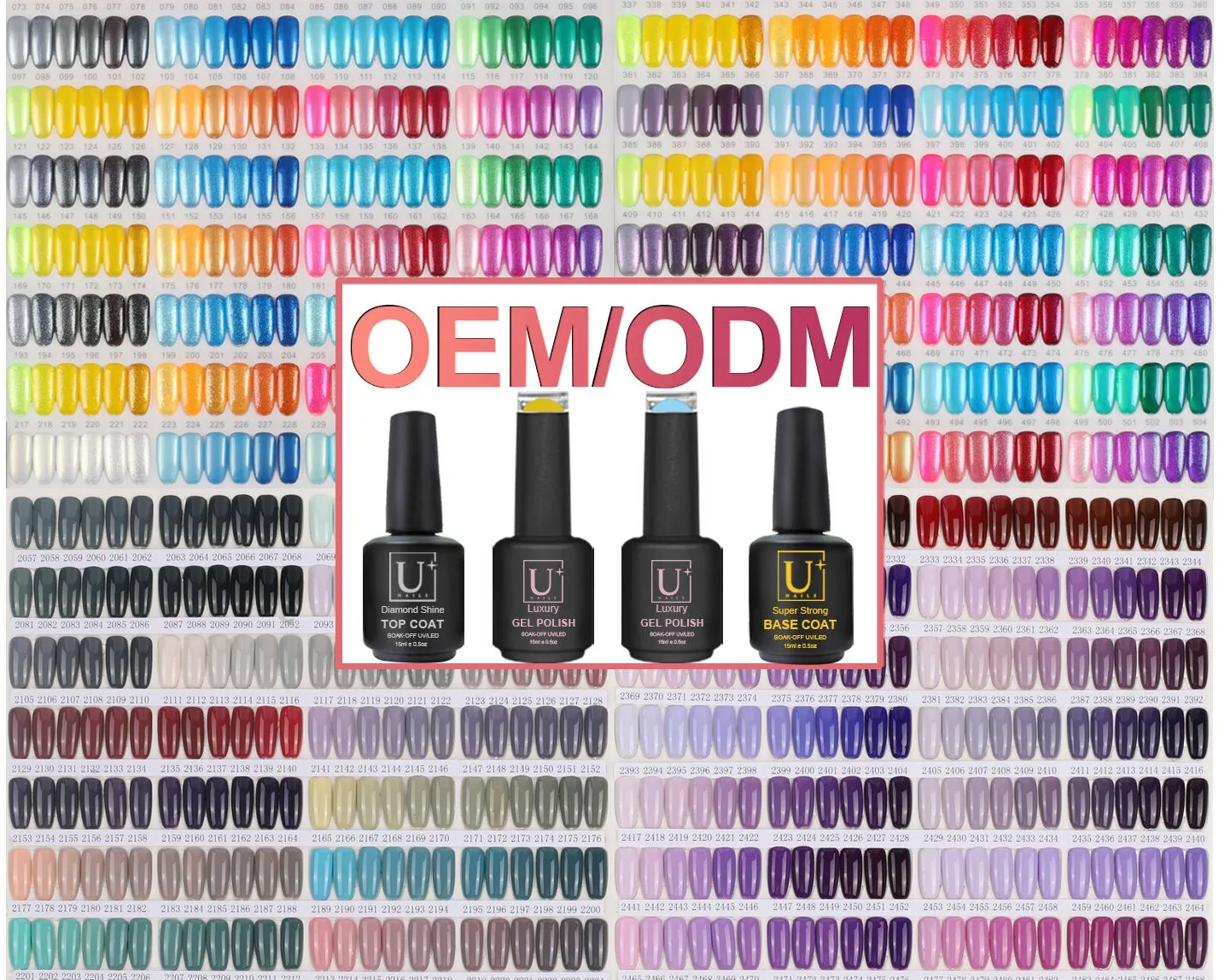
Благодаря ассортименту, насчитывающему более 10 000 оттенков гелевого лака, YouGel может поддерживать различные концепции продуктов и стратегии формирования коллекций, включая варианты, ориентированные на Не содержит HEMA и TPO, подходит для веганов, не тестируется на животных требования.
Вместо того чтобы рассматривать выбор между финишным покрытием, не требующим вытирания, и бархатисто-матовым финишным покрытием как отдельное решение о выборе продукта, YouGel может помочь покупателям оценить качество покрытия в рамках комплексной системы гель-лаков, включая базовый гель, цветной гель, верхнее покрытие, упаковку и требования к частной торговой марке.
Цель заключается не просто в том, чтобы выпустить ещё один финишный лак. Цель — разработать продукт, который будет соответствовать вашим позиционирование на рынке, рабочий процесс применения, ожидания клиентов и идентичность бренда.
Вывод: финишное покрытие без протирания или финишное покрытие «бархатный матовый» — что выбрать?
Ответ зависит от вашей коммерческой цели.
Выберите Финишное покрытие «Diamond Shine» без протирания если вашим приоритетом является блестящая, зеркальная поверхность, удобное нанесение в салоне и совместимость с такими трендами в маникюре, как глиттер, шиммер, хром и дизайн «кошачий глаз».
Выберите Матовое бархатистое верхнее покрытие если вашим приоритетом является изысканное матовое покрытие, минималистичный стиль, современный нейл-арт и модные коллекции.
Однако для многих профессиональных брендов гель-лаков наиболее разумная стратегия заключается не в том, чтобы выбрать один вариант и отказаться от другого. Предложение обеих вариантов отделки позволяет расширить ассортимент продукции и предоставить клиентам больше возможностей для индивидуализации своего маникюра.
При сравнении финишного покрытия, не требующего протирания, и финишного покрытия с бархатисто-матовым эффектом не стоит ограничиваться лишь внешним видом поверхности. Следует учитывать качество состава, эффективность отверждения, долговечность, требования к ингредиентам, нормативные требования рынков сбыта, технологический процесс нанесения, возможности индивидуальной настройки, а также надежность поставок в долгосрочной перспективе.
Почему стоит стать партнером Yougel?
Являясь ведущим производителем в сегменте B2B, мы придаем большое значение качеству и партнерским отношениям.
- Сертифицированное качество: Наши производственные процессы сертифицированы в соответствии с системой управления качеством ISO 9001.
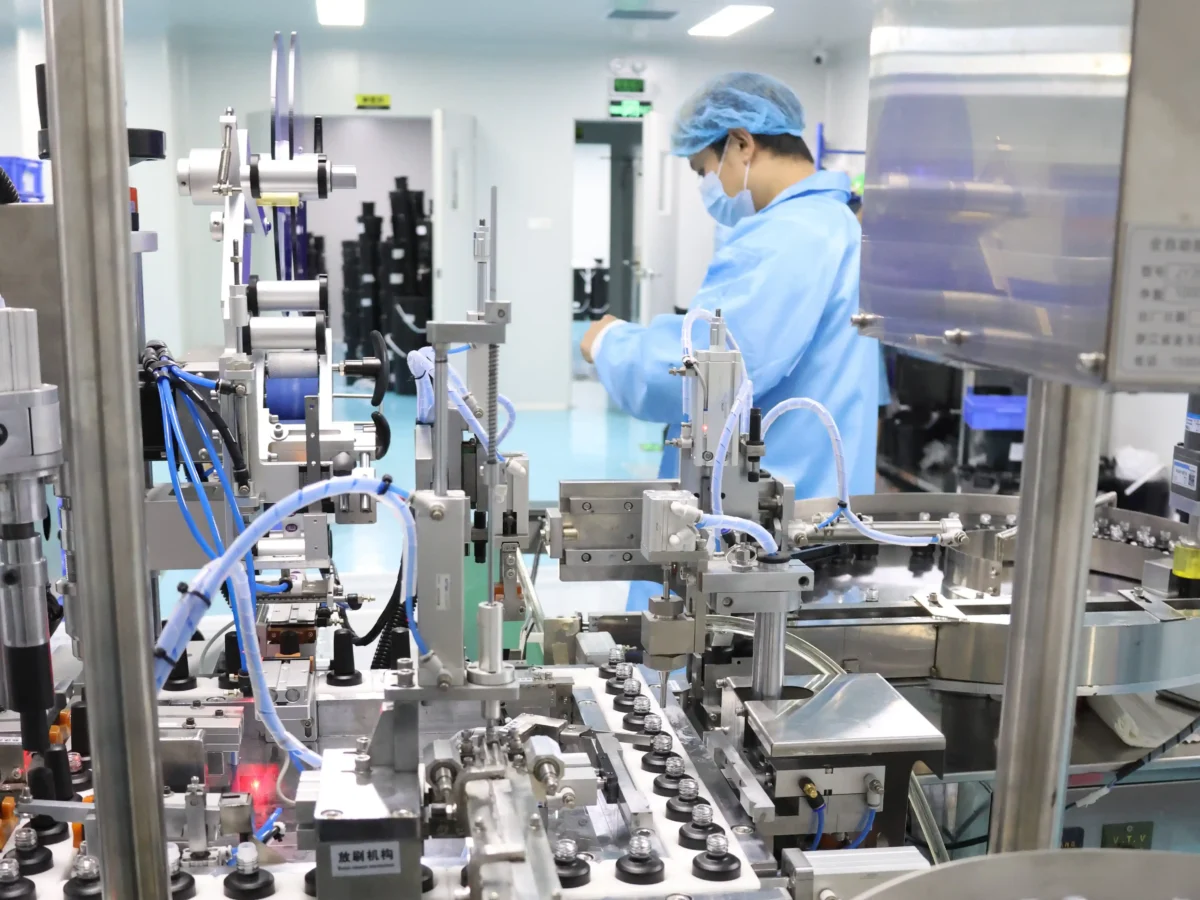
- Передовое производство: Мы используем автоматизированные производственные линии, чтобы обеспечить стабильное качество и эффективность каждой партии продукции.
- Строгий контроль качества: Каждый продукт проходит строгий контроль качества перед отправкой с нашего предприятия.
- Производство оригинального оборудования (OEM) и научно-исследовательские и опытно-конструкторские работы (НИОКР): Мы предлагаем комплексные услуги по производству продукции под брендом заказчика (OEM) и располагаем специализированной командой по исследованиям и разработкам, которая поможет вам создать уникальные продукты для вашего бренда.
Гибкие требования к минимальному объему заказа: Мы предлагаем нашим партнерам низкий минимальный объем заказа (MOQ) — всего 300 штук.