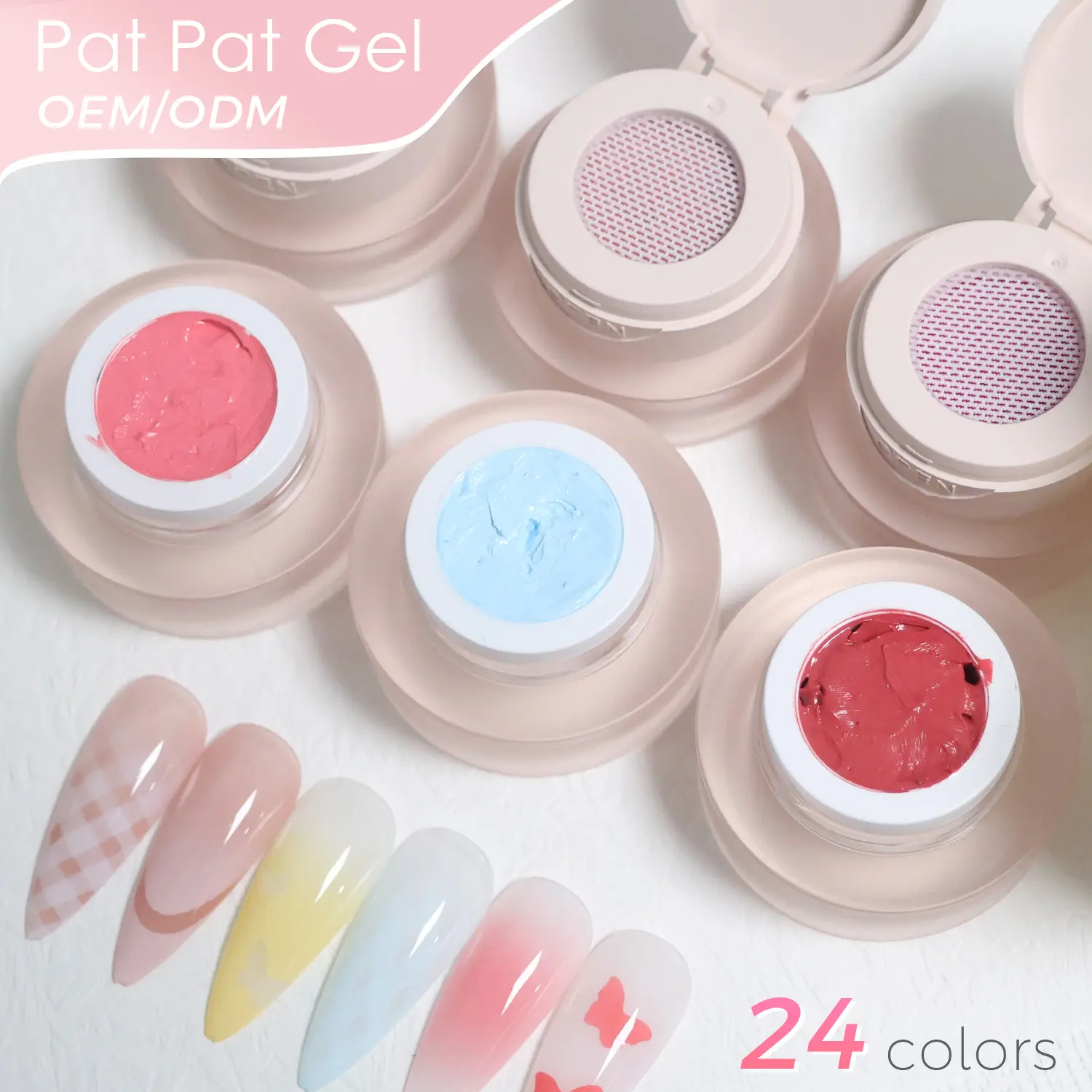
Gel polish is manufactured through a controlled production process that includes formula development, raw material inspection, pigment dispersion, mixing, quality testing, and automated filling. Each stage affects the final product’s color consistency, viscosity, curing performance, and stability.
Als Professioneller Hersteller von Gel-Nagellack in China, YouGel provides OEM/ODM solutions with 10,000+ gel shades and customized HEMA-free, TPO-free, Vegan, and Cruelty-free options for global beauty brands.
For nail brands, wholesalers, and distributors, understanding this process helps identify reliable manufacturing partners and make better sourcing decisions.
How Formula Development Starts When Gel Polish Is Manufactured
Formula development is the first stage of gel polish manufacturing. It determines the product’s texture, color performance, adhesion, curing behavior, and overall application experience.
Before production begins, the R&D team identifies the product requirements and selects suitable ingredients to build a balanced formulation.
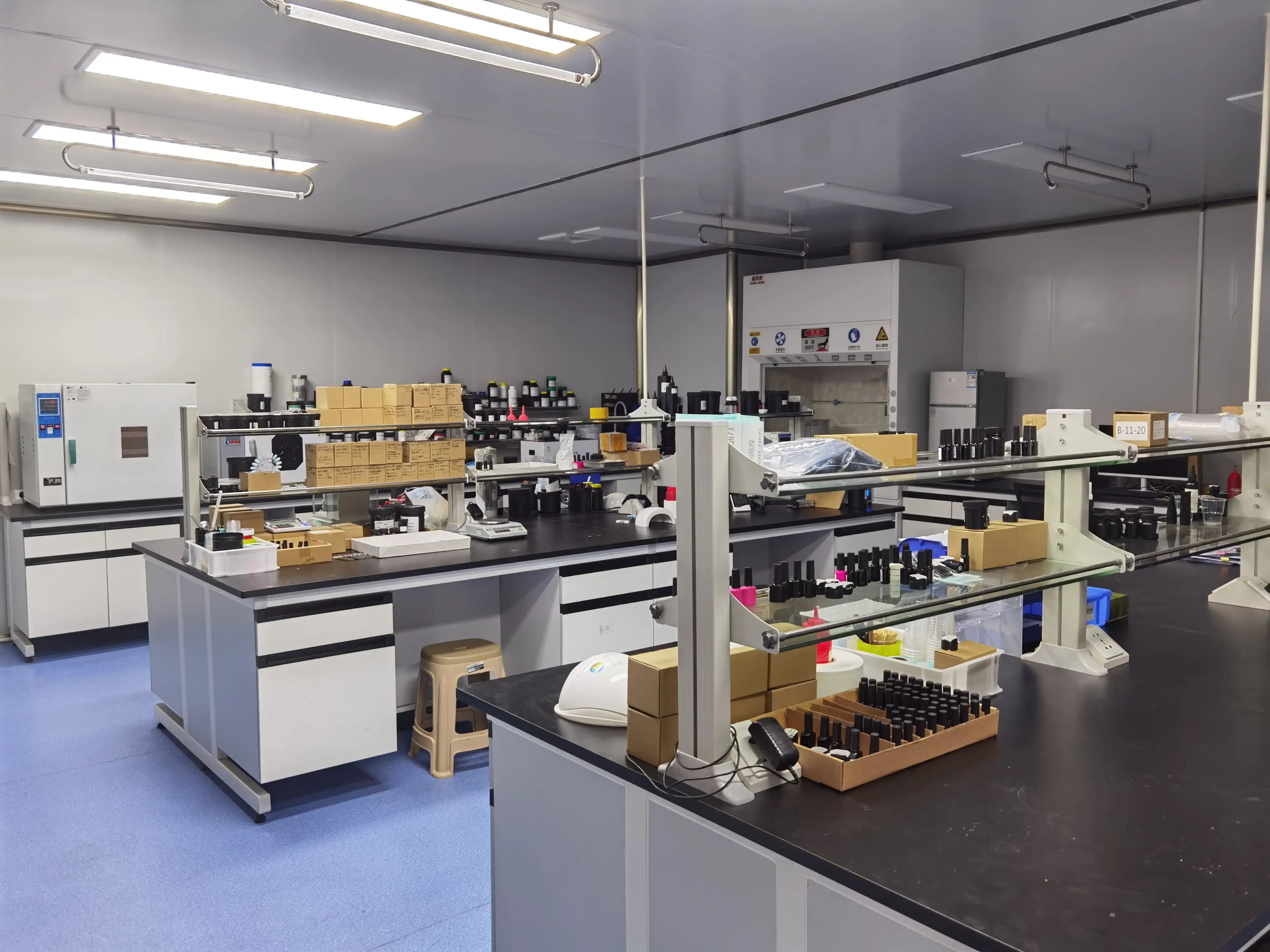
A typical gel polish formula contains several key components:
| Ingredient | Hauptfunktion |
|---|---|
| Synthetic resins and oligomers | Form the coating and contribute to adhesion and flexibility |
| Reactive diluents or monomers | Adjust viscosity and participate in polymerization |
| Fotoinitiatoren | Initiate curing when exposed to suitable UV/LED light |
| Pigmente | Provide color, coverage, and visual effects |
| Functional additives | Adjust stability, flow, leveling, and other properties |
The exact ingredient combination depends on the intended product type.
For example, a highly pigmented color gel requires a different formulation balance from a transparent base coat or a thick builder gel.
Brands may also require specific formulation features, such as HEMA-free or TPO-free options. These formulations require appropriate ingredient selection and performance evaluation rather than simply removing one ingredient without adjusting the formula.
At this stage, manufacturers evaluate:
- Viscosity and application consistency.
- Pigment compatibility and color performance.
- Adhesion and flexibility.
- UV/LED curing behavior.
- Formula stability under appropriate storage conditions.
A formula must pass the agreed development and testing requirements before it moves into mass production.
How Are Raw Materials Selected and Inspected?
Raw material inspection ensures that only approved ingredients enter the production process. Variations in resin properties, pigment quality, or photoinitiator performance can affect the consistency of the finished gel polish.
A professional gel polish factory should establish clear material specifications and supplier evaluation procedures.
The inspection process generally includes:
- Material identification: Verify ingredient names, specifications, supplier information, and batch numbers.
- Documentation review: Check relevant technical documents and safety information.
- Quality inspection: Examine material appearance and test relevant physical or chemical properties.
- Approval and storage: Release accepted materials for production and keep rejected materials separate.
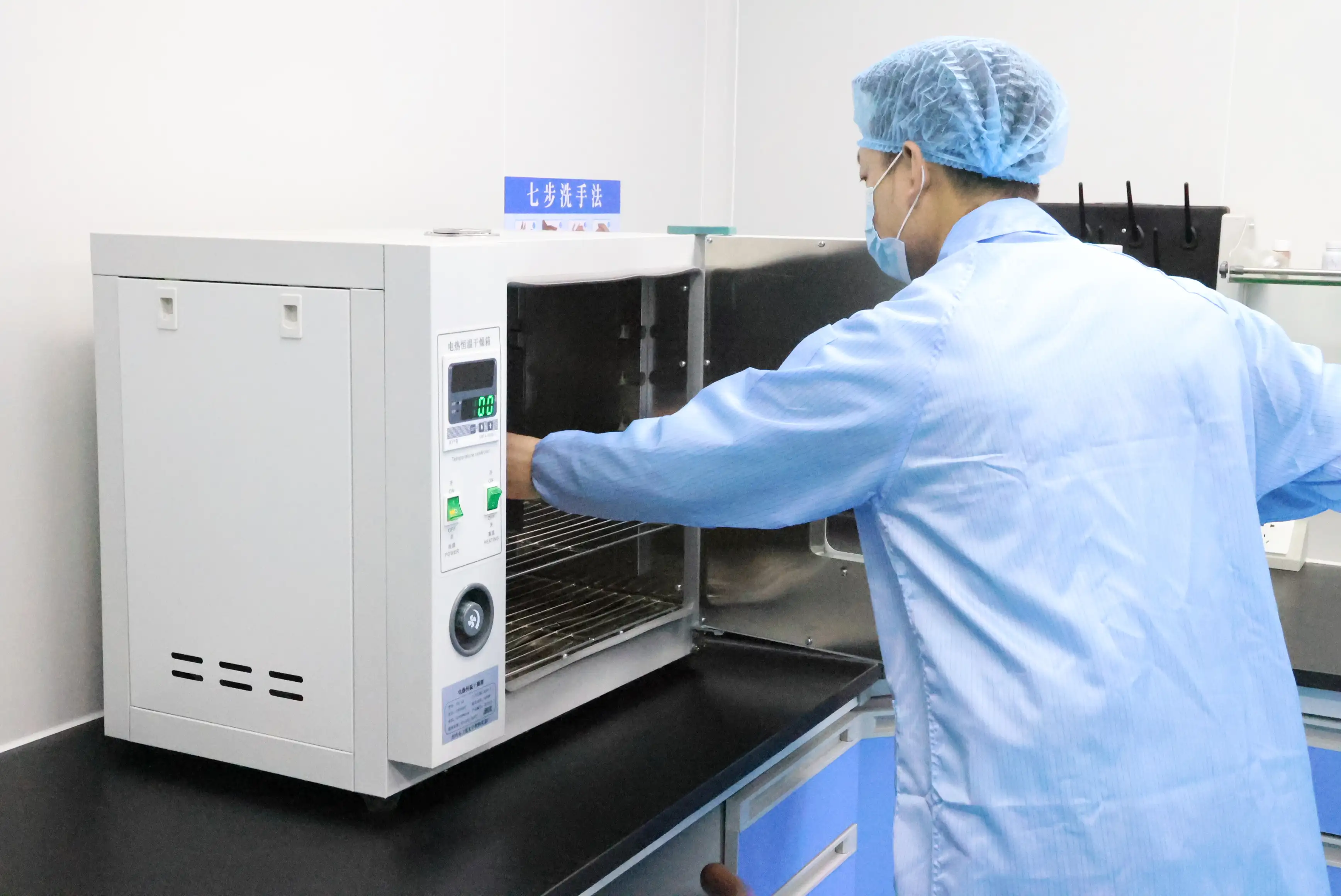
Proper storage is equally important. Light-sensitive ingredients should be protected from unsuitable light exposure, while materials should be kept under their specified temperature and storage conditions.
These controls help reduce raw material variations and support consistent production results.
How Are Pigments Mixed to Achieve Consistent Gel Polish Colors?
Pigment dispersion is one of the most important stages in color gel production. It distributes color particles evenly throughout the formulation, helping achieve uniform shades, smooth texture, and consistent coverage.
The process typically involves preparing the approved base formulation, adding the required pigments, and using suitable mixing equipment to achieve the target dispersion.
Manufacturers need to control several factors:
- Pigment type and concentration.
- Ingredient weighing accuracy.
- Mixing speed and duration.
- Dispersion uniformity.
- Product temperature during processing.
Poor pigment dispersion can lead to uneven color, visible particles, inconsistent coverage, or excessive settling.
For custom color development, manufacturers should establish an approved reference sample before mass production.
A practical quality tip for buyers: Color matching should not rely on the appearance of gel polish inside the bottle alone. The manufacturer should compare cured samples under consistent conditions, including the same application thickness, curing lamp, and lighting environment.
This creates a more reliable reference for evaluating color differences between production batches.
How Is Gel Polish Mixed and Its Viscosity Adjusted?
After pigment preparation, the ingredients are combined according to the approved formulation. Controlled mixing helps distribute the components evenly and achieve the required product texture.
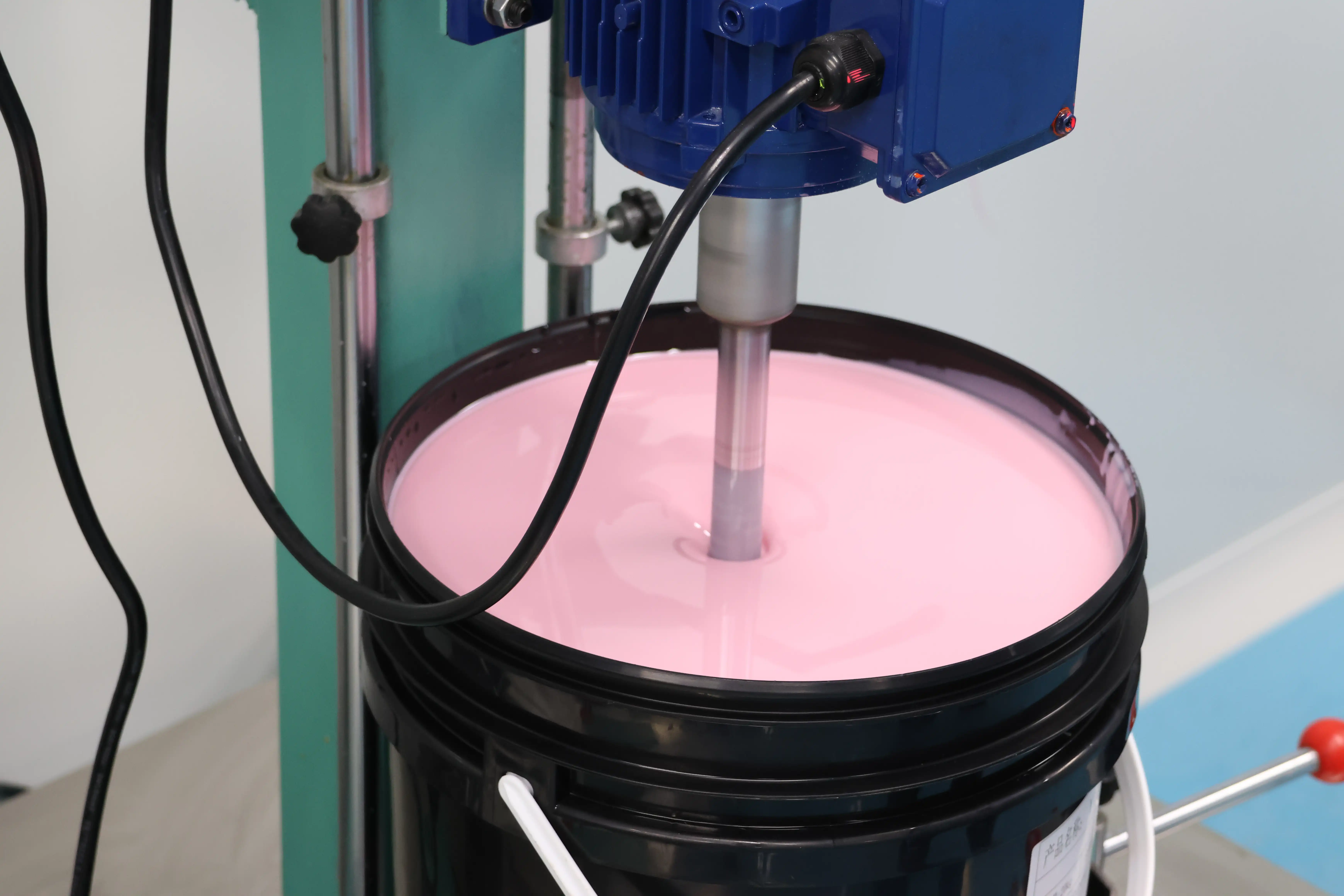
During this stage, the production team monitors:
- Ingredient proportions and weighing accuracy.
- Mixing conditions and processing time.
- Temperature and material compatibility.
- Viscosity and overall texture.
Viscosity directly affects how gel polish behaves during application.
| Viscosity Level | Application Characteristics | Typical Product Requirements |
|---|---|---|
| Low viscosity | Flows more easily and spreads quickly | Certain base coats and thin formulas |
| Mittlere Viskosität | Balances flow and application control | Many standard color gels |
| High viscosity | Provides a thicker texture and greater control | Builder gels and selected functional gels |
The target viscosity depends on the product category and intended application. There is no single viscosity specification suitable for every gel polish formula.
Once mixing is complete, samples are checked against the approved formulation specifications before proceeding.
Why Are Filtering and Defoaming Necessary?
Filtering and defoaming help improve the appearance and consistency of gel polish before filling. These processes reduce unwanted particles and trapped air that may affect the finished product.

Filtering removes unsuitable impurities or foreign particles when the formulation requires it. Defoaming helps eliminate air bubbles introduced during mixing.
The benefits include:
- Smoother product texture.
- Fewer visible air bubbles.
- Reduced risk of foreign particles.
- More consistent appearance inside the bottle.
The appropriate filtration method depends on the formulation, pigment characteristics, and product requirements. Manufacturers must avoid filtration conditions that could affect the intended color or functional properties.
After processing, the bulk gel polish undergoes further inspection before filling.
What Quality Tests Are Performed Before Filling?
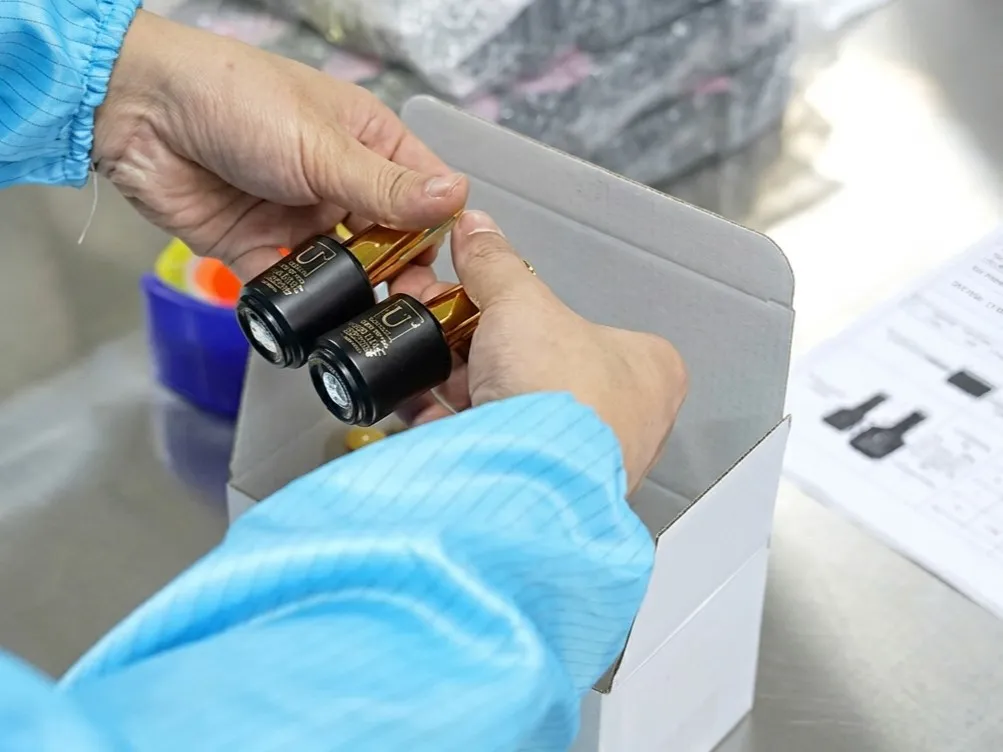
Pre-filling quality testing verifies that the bulk formulation meets its approved specifications before it enters the packaging stage.
A Professioneller Hersteller von Gel-Nagellack should conduct in-process inspections instead of relying entirely on final product checks.
Important tests include:
| Quality Test | What It Evaluates |
|---|---|
| Color inspection | Shade accuracy and consistency |
| Viskositätsprüfung | Formula thickness and application behavior |
| Appearance inspection | Smoothness, uniformity, and visible impurities |
| Curing performance testing | Polymerization under recommended UV/LED conditions |
| Adhesion testing | Coating performance under specified application conditions |
| Stability testing | Changes in appearance and physical properties during storage |
Curing performance deserves particular attention. Highly pigmented and darker shades may behave differently from transparent formulas because pigment concentration can influence light penetration.
Testing should therefore consider the recommended lamp specifications, curing time, and application thickness.
This stage is also important for customized formulations. A new formula should be evaluated against its approved performance requirements before being released for commercial production.
How Is Gel Polish Filled, Capped, and Labeled?
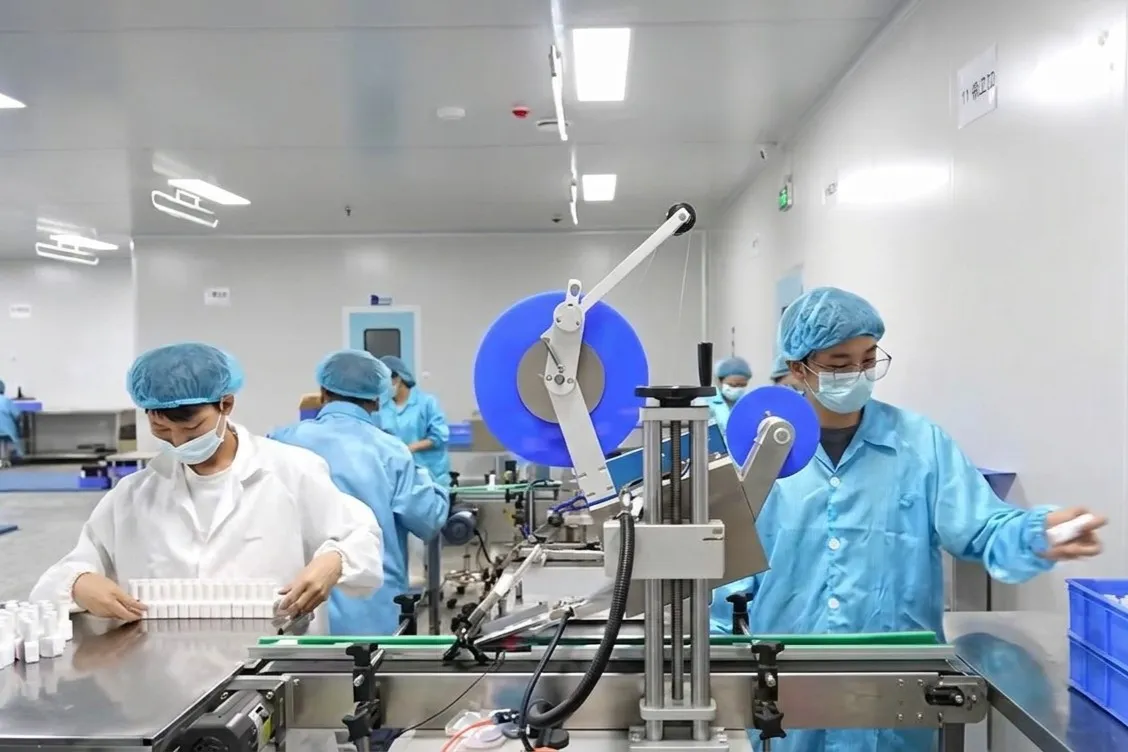
Filling is the stage where approved bulk gel polish is transferred into individual bottles or other packaging containers. Automated filling equipment improves production efficiency and helps maintain consistent filling volumes.
The typical packaging process includes:
- Bottle preparation: Inspect bottles, caps, and brushes before use.
- Filling: Transfer the approved gel polish into containers using controlled filling equipment.
- Capping: Secure the caps to reduce leakage and protect product integrity.
- Labeling: Apply product labels, brand logos, and required identification information.
- Packaging inspection: Check the finished containers for visible defects and packaging accuracy.
For private-label brands, packaging is an important part of the manufacturing process.
Buyers can discuss customized bottle designs, brush options, cap styles, label artwork, and outer packaging with their manufacturing partners.
A reliable filling process must also account for product compatibility with packaging materials. The bottle, cap, brush, and sealing components should be suitable for the specific gel polish formulation.
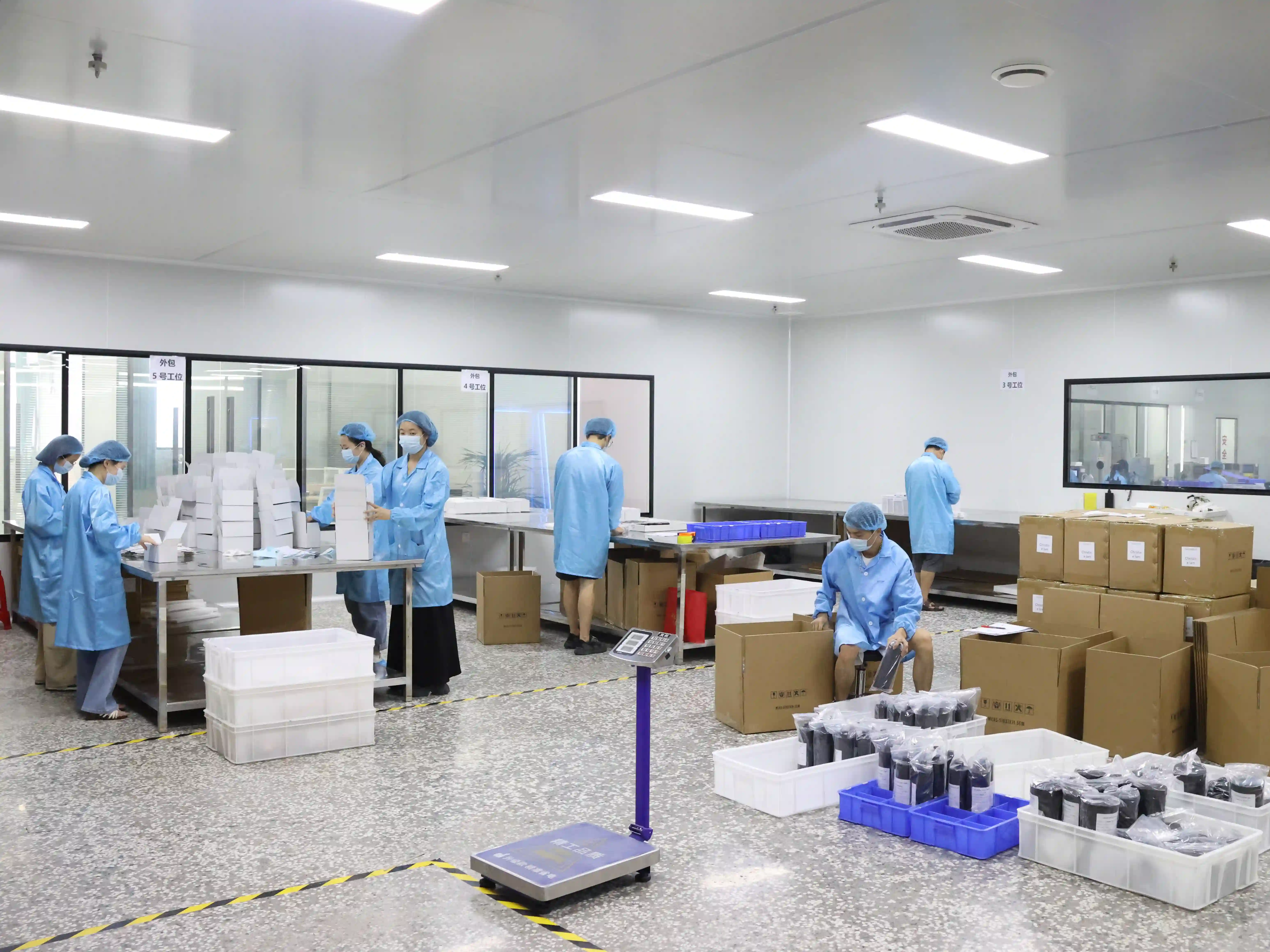
How Are Finished Gel Polish Products Inspected and Prepared for Shipment?
Final inspection confirms that the finished products meet the agreed order specifications before shipment.
The inspection process generally covers:
- Filling volume and bottle appearance.
- Cap tightness and sealing condition.
- Brush and packaging quality.
- Label information and placement.
- Product identification and batch numbers.
- Applicable finished-product quality requirements.
Batch traceability is particularly important for B2B orders.
A useful manufacturing practice is to maintain a batch record connecting the raw material lots, production parameters, inspection results, and finished product identification.
This creates a traceable production history. If a quality issue occurs, the manufacturer can investigate the relevant batch instead of treating every order as an isolated case.
For buyers, batch records and documented inspection procedures provide greater confidence when managing repeat orders and long-term product supply.
What Makes a Reliable Gel Polish Manufacturing Process?
A reliable gel polish manufacturing process depends on more than modern machinery. It requires coordinated formula development, controlled production conditions, consistent quality checks, and accurate order management.
International references also highlight the importance of manufacturing controls.
According to the International Organization for Standardization, ISO 22716:2007 provides guidelines for cosmetic product manufacturing, control, storage, and shipment. The standard was reviewed and confirmed in 2022.
The European Union’s Cosmetics Regulation (EC) No 1223/2009 also requires cosmetic products to be manufactured in accordance with Good Manufacturing Practice (GMP).
Relevant references:
- ISO 22716:2007 – Cosmetics GMP Guidelines
- EU Cosmetics Regulation (EC) No 1223/2009
- U.S. FDA – Cosmetic GMP Guidelines and Inspection Checklist
For B2B buyers, these references provide a useful starting point when assessing a supplier’s manufacturing and quality management practices. Product-specific regulatory requirements must still be evaluated for the target market.
When comparing suppliers, pay attention to five areas:
| Bewertungsbereich | Was Käufer beachten sollten |
|---|---|
| R&D capability | Can the supplier develop and adjust formulas? |
| Raw material control | Are incoming materials inspected and traceable? |
| Production consistency | Are manufacturing procedures standardized? |
| Quality management | Are in-process and finished-product tests documented? |
| Customization capability | Can the supplier support custom colors, formulas, and packaging? |
The ability to control these areas is what separates a capable manufacturing partner from a supplier that only offers ready-made products.
Häufig gestellte Fragen
1. How Long Does It Take to Manufacture Gel Polish?
Production time depends on formula complexity, raw material availability, color development, order quantity, and packaging requirements. Custom formulas and new shades require additional development and testing before mass production.
2. What Ingredients Are Used to Manufacture Gel Polish?
Gel polish is manufactured using base resins, reactive diluents or monomers, photoinitiators, pigments, and functional additives. Each ingredient contributes to the product’s curing behavior, texture, color, or application performance. Each ingredient contributes to the product’s curing behavior, texture, color, or application performance.
3. How Do Manufacturers Ensure Consistent Gel Polish Colors?
Manufacturers use approved color references, accurate pigment weighing, controlled dispersion, and standardized cured-sample comparisons. Batch records and color inspections also help reduce shade variations in repeat orders.
4. Can Gel Polish Be Manufactured Without HEMA or TPO?
Yes. Manufacturers can develop HEMA-free and TPO-free formulations by selecting suitable alternative ingredients and evaluating the resulting formula’s performance and safety. These claims should be supported by accurate ingredient information and appropriate product documentation.
5. What Is the Difference Between Gel Polish Manufacturing and Private Label Production?
Gel polish manufacturing covers formula development, raw material preparation, mixing, testing, and filling. Private label production adds brand-specific services such as custom colors, bottle selection, logo printing, labeling, and packaging.
6. What Should Buyers Check Before Ordering Bulk Gel Polish?
Buyers should evaluate product samples, color consistency, viscosity, curing performance, packaging compatibility, relevant documentation, production capacity, and batch traceability before confirming a bulk order.
Conclusion: Partner with YouGel for Professional Gel Polish Manufacturing
Understanding how gel polish is manufactured helps beauty brands make informed sourcing decisions and identify suppliers capable of delivering consistent product quality. From formula development and pigment dispersion to quality testing, automated filling, and packaging, every stage contributes to the final product.
Als Professioneller Hersteller von Gel-Nagellack in China, YouGel provides premium OEM/ODM services with more than 10,000 gel shades, including HEMA-free, TPO-free, Vegan, and Cruelty-free options. Our product development and manufacturing capabilities support customized formulas, colors, and private-label packaging for global nail brands, wholesalers, and distributors.
Whether you are developing a new nail polish collection, expanding your existing product range, or sourcing gel polish for wholesale distribution, YouGel is ready to support your project with professional manufacturing solutions and competitive pricing.
Kontakt YouGel today to discuss your OEM/ODM requirements and request a customized gel polish quotation.