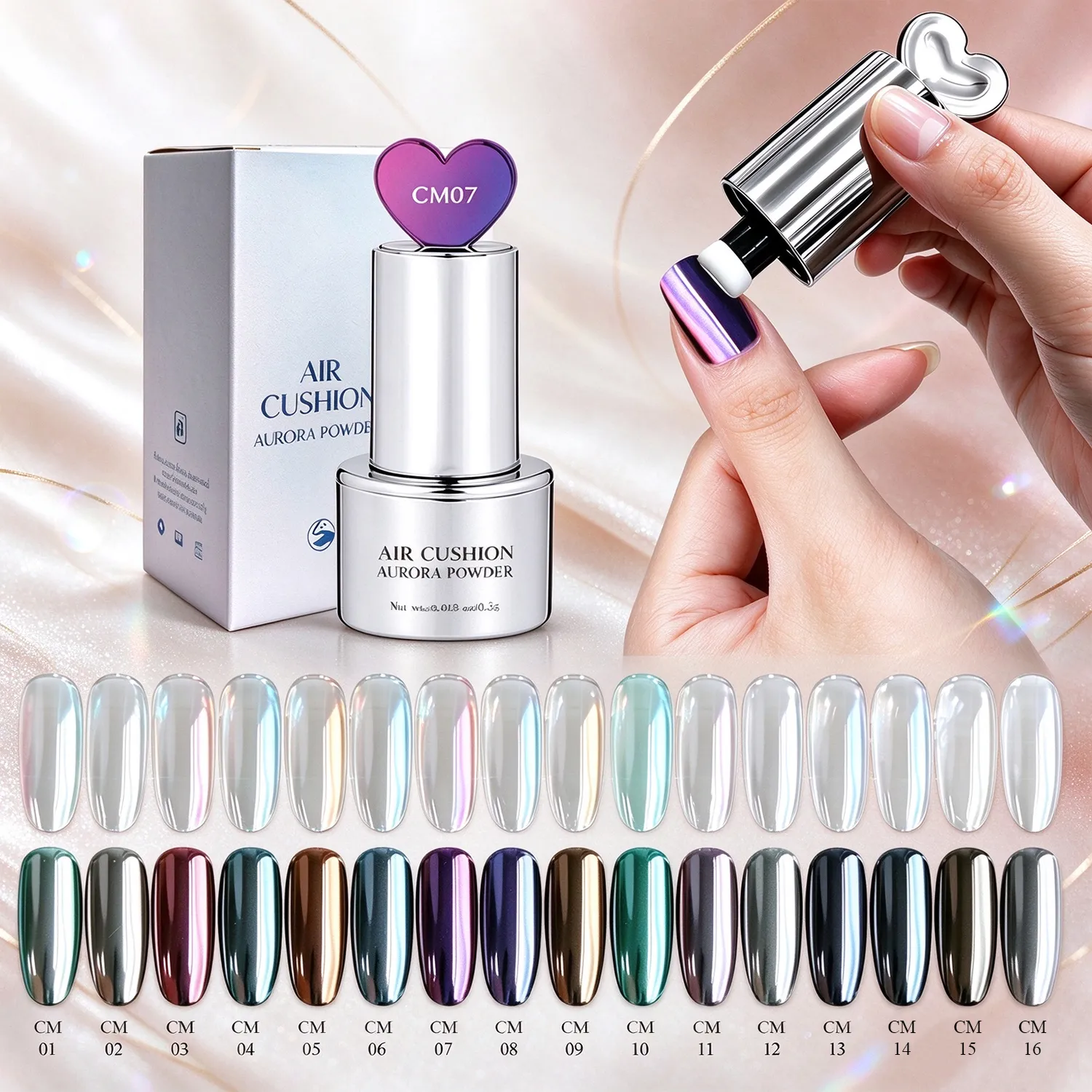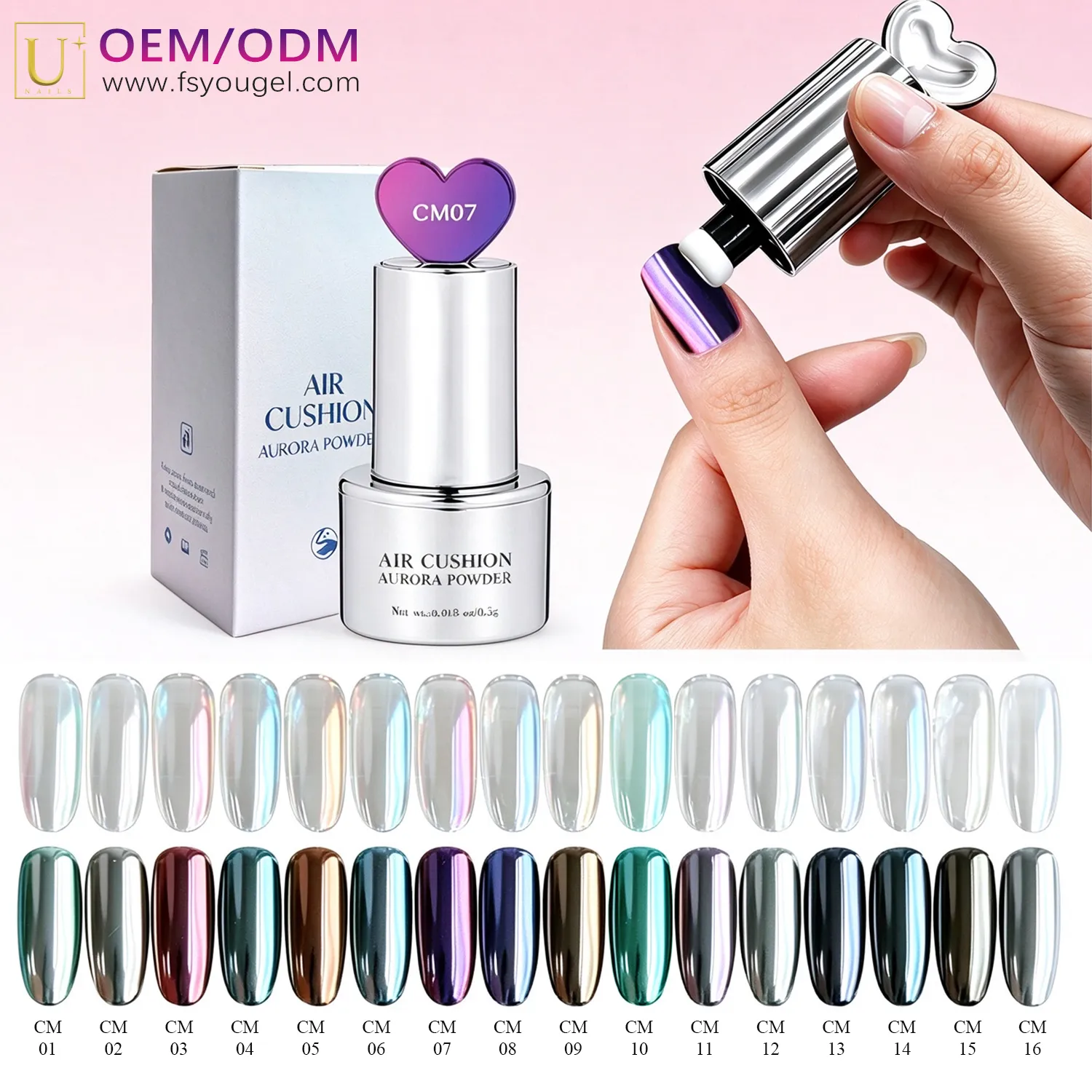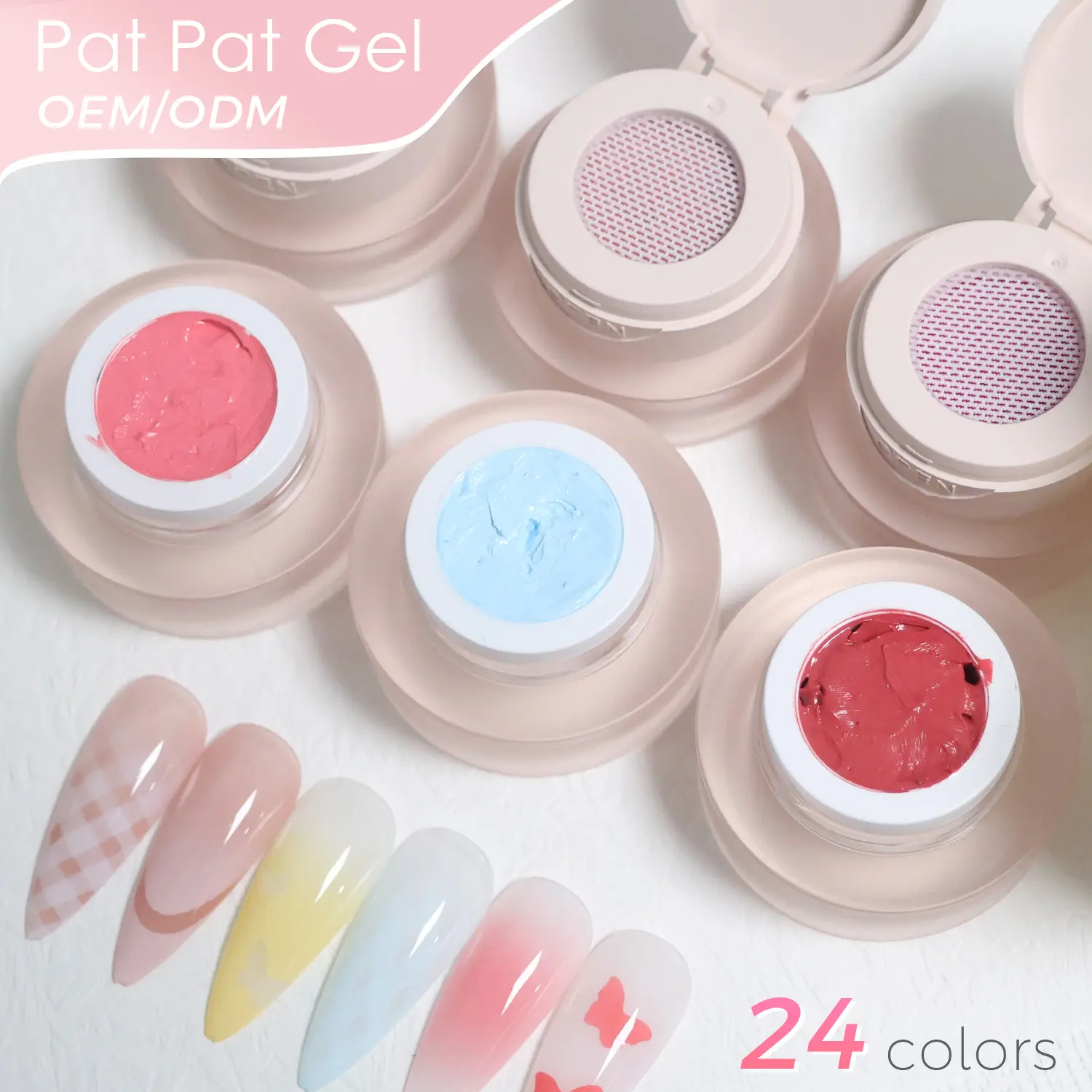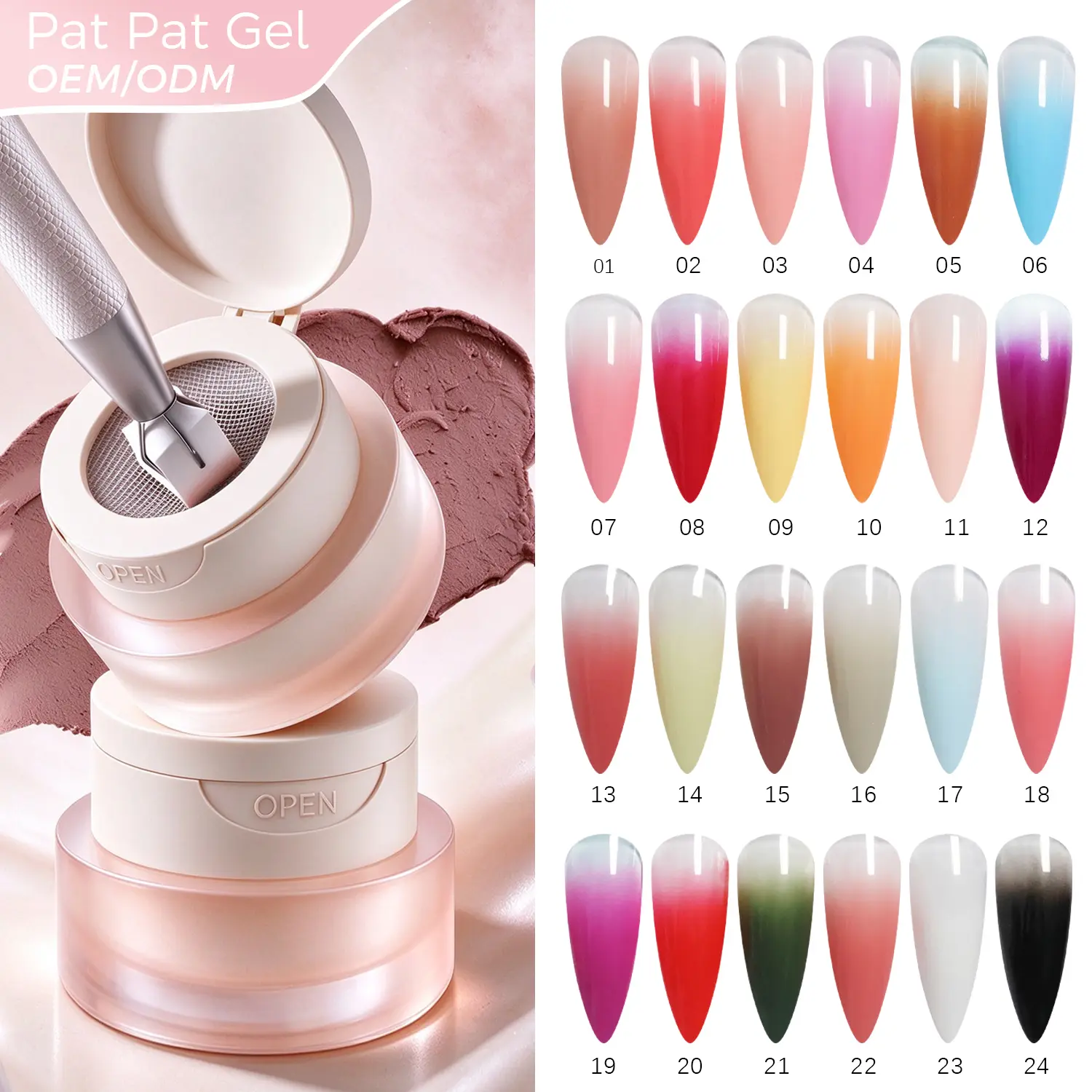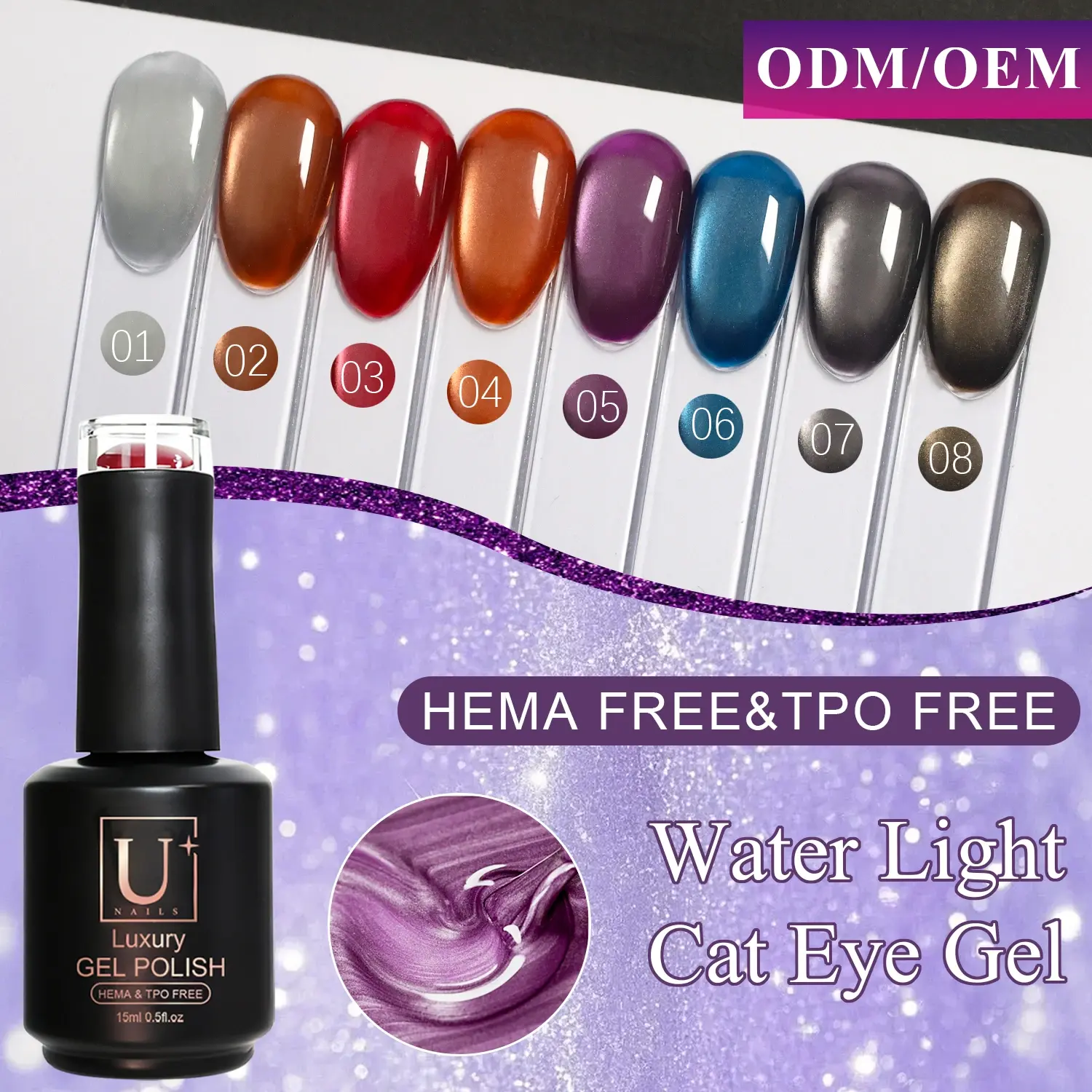
Gel polish viscosity determines how smoothly a product applies, levels, and maintains an even coating. Low-, medium-, and high-viscosity formulas serve different application needs, and the right balance helps improve brush control, surface finish, and curing consistency.
YouGel offers over 10,000 gel colors, including HEMA-free, TPO-free, vegan, and cruelty-free options, and provides OEM/ODM solutions to help global brands develop gel nail polish products suitable for their markets.
What Is Gel Polish Viscosity?
Gel polish viscosity refers to a product’s resistance to flow. A low-viscosity formula flows easily, while a high-viscosity formula moves more slowly and holds its shape better. It influences application control, self-leveling, and the final appearance of a manicure.
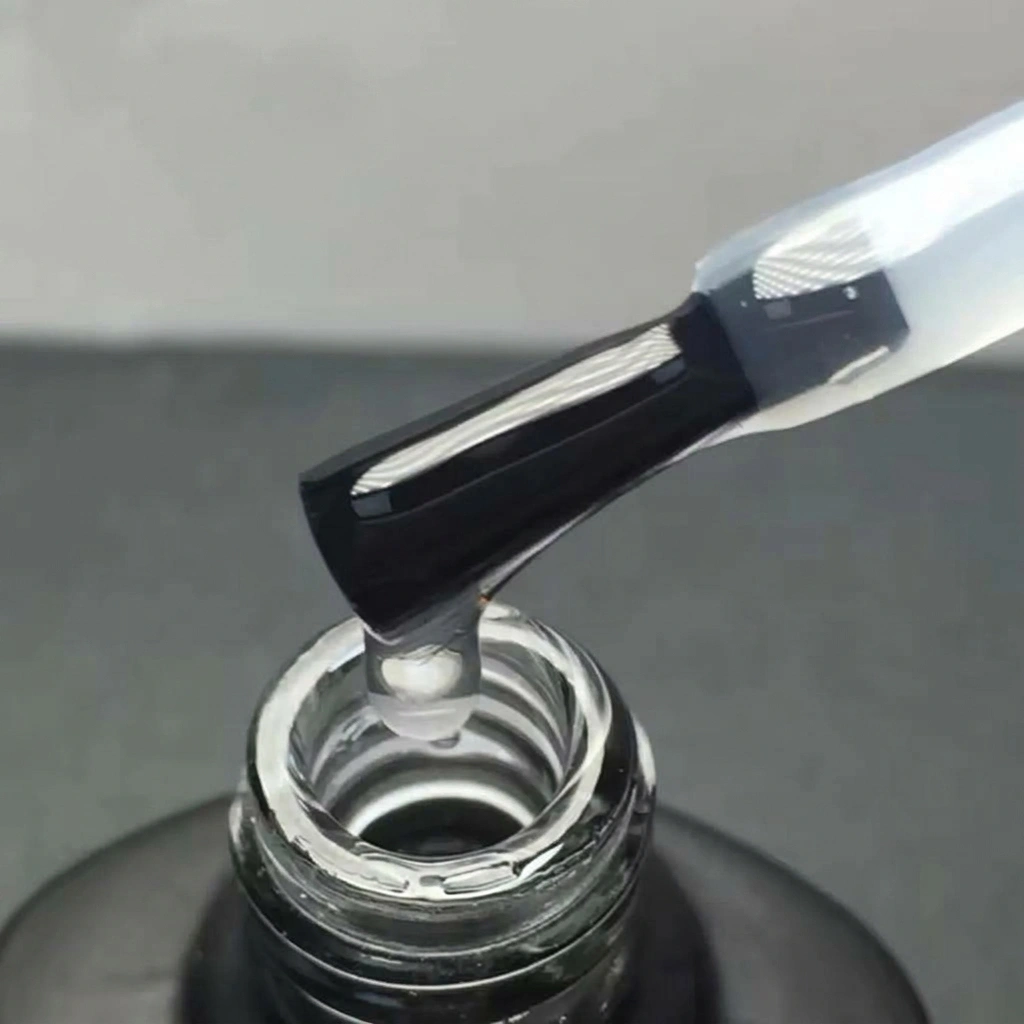
Viscosity and consistency are closely related, but they are not exactly the same. Viscosity is a measurable physical property, while consistency is a broader description of how a product feels and behaves during use.
Для gel polish manufacturers, viscosity is an important formulation parameter because it affects several stages of product performance:
- Application: How easily the brush distributes the gel across the nail.
- Leveling: How well the product smooths out brush marks.
- Control: Whether the formula stays within the intended application area.
- Film formation: Whether the product creates an even coating.
- Storage: Whether the formula maintains its intended behavior over time.
A well-developed formula balances flow and control instead of simply aiming for a thicker or thinner texture.
What Is the Difference Between Low, Medium, and High Viscosity Gel Polish?
Low-, medium-, and high-viscosity formulas differ in flow behavior, application control, and suitable product applications. Each has a purpose, and the best choice depends on the product category and intended user.
| Viscosity Level | Main Characteristics | Application Behavior | Typical Applications |
|---|---|---|---|
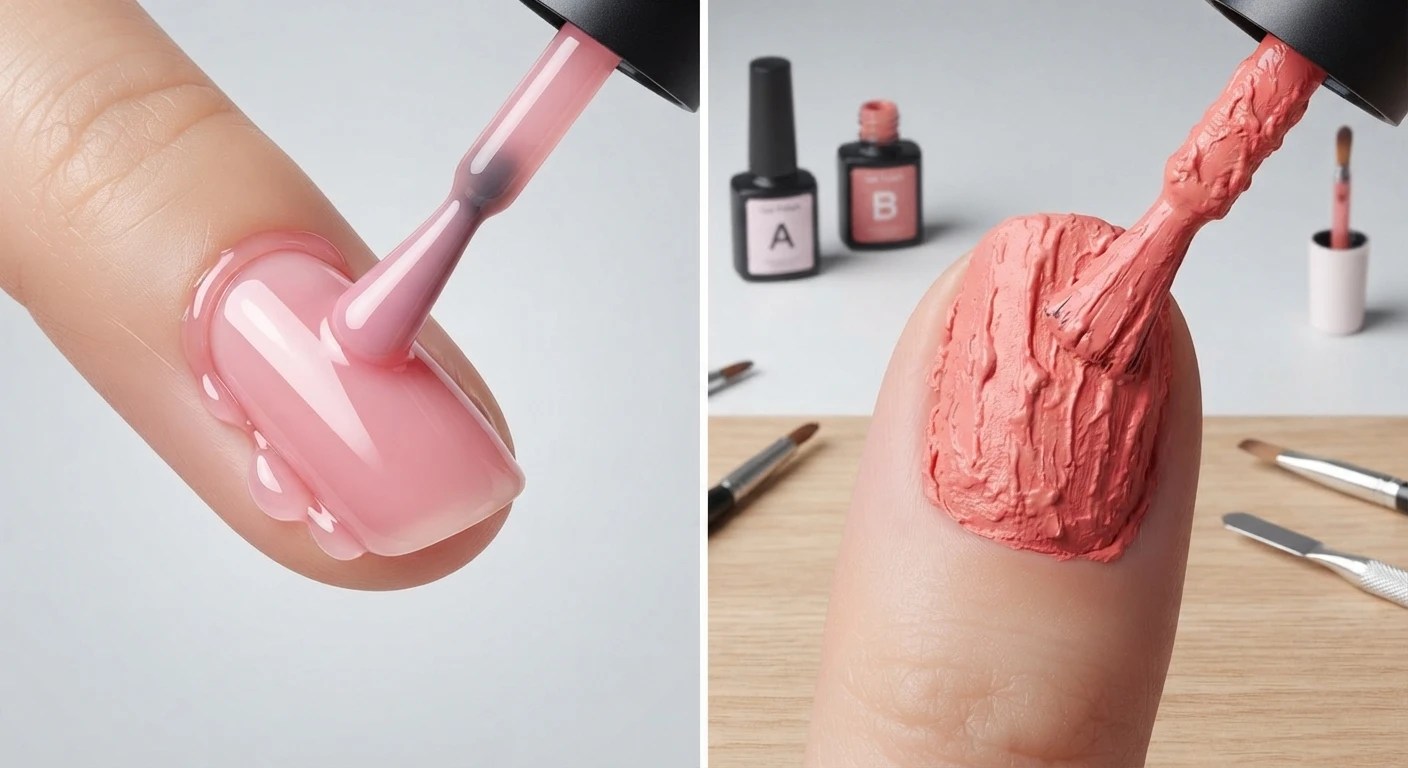
| Low Viscosity | Thin and highly fluid | Spreads quickly and requires careful control | Sheer colors, thin-coat formulas |
| Medium Viscosity | Balanced flow and body | Smooth application with manageable leveling | Standard color gel polish |
| High Viscosity | Thick and less fluid | Holds its shape and provides greater placement control | Builder gels, structured nail products, certain effect gels |
These categories are descriptive rather than universal technical classifications. There is no single viscosity value that defines every low-, medium-, or high-viscosity gel polish.
For example, standard color gel polish generally needs enough flow to spread evenly without running into the cuticle area. Builder products require greater body to support controlled placement and structure.
The key is matching the formula to its intended function.
How Does Viscosity Affect Gel Polish Application?
Gel polish viscosity affects brush movement, self-leveling, coating thickness, and application precision. A balanced formula allows nail technicians to distribute the product evenly without excessive running or difficult brush strokes.
1. Brush Application and Smoothness
Low-viscosity gel polish spreads easily and requires less effort to distribute. However, excessive flow can make precise application around the cuticle more difficult.
High-viscosity formulas offer greater control but may require more effort to spread. If the formula is too thick for its intended use, brush marks and uneven coverage can become more noticeable.
2. Self-Leveling Performance
Self-leveling describes a gel’s ability to smooth out after application.
A properly balanced formula gradually settles across the nail surface, reducing visible brush marks and creating a more uniform finish.
However, excessive flow can cause the product to move toward the sidewalls or cuticle before curing. This makes viscosity and leveling behavior important considerations during formulation.
3. Coverage and Layer Thickness
Viscosity influences how much product stays on the brush and how easily it spreads.
A thinner formula may require additional coats to achieve the desired color opacity. A thicker or more highly pigmented formula may provide stronger coverage but needs careful application to avoid excessive film thickness.
4. Application Control and Precision
For professional nail technicians, application control is just as important as smoothness.
A formula that spreads too quickly can increase cleanup work, while one that resists brushing may slow down application. The ideal balance depends on the product’s purpose and the skill level of its target users.
Understanding how viscosity affects gel polish application helps brands develop products that meet different salon and consumer expectations.


How Does Viscosity Affect Gel Polish Performance?
Gel polish viscosity influences final film formation and application consistency, but it does not independently determine adhesion, durability, or curing quality. These results also depend on the formulation, application thickness, nail preparation, and curing system.
1. Curing Performance
Curing depends on photoinitiators, UV/LED wavelength, light intensity, exposure time, pigment characteristics, and coating thickness.
An excessively thick application can prevent sufficient light from reaching the entire coating, increasing the risk of incomplete curing.
According to NailKnowledge’s UV Gel Explained guide, layer thickness is one of the factors that determines the degree of gel curing.
Therefore, manufacturers should evaluate viscosity together with application thickness and lamp compatibility rather than treating viscosity as a direct measure of curing performance.
2. Adhesion and Wear Resistance
Viscosity does not directly determine adhesion. However, poor application control can create uneven coatings, product overflow, or excessive thickness, which may contribute to application-related problems.
A properly formulated gel polish should provide the intended balance of flexibility, adhesion, and durability after correct application and curing.
3. Surface Finish and Appearance
The right viscosity supports an even surface, consistent color distribution, and a smooth finish.
For colored gel polish, pigment dispersion and formula consistency also influence whether the finished coating looks uniform.
4. Product Stability During Storage
Temperature changes and storage conditions can affect gel polish flow behavior.
A formula that becomes excessively thick, separates, or develops an inconsistent texture may create problems during application. Stability testing helps manufacturers evaluate whether the product maintains its intended characteristics throughout its expected shelf life.
What Factors Affect Gel Polish Viscosity?
Gel polish viscosity is influenced by formulation ingredients, pigment loading, additives, and environmental conditions. Manufacturers must consider these factors together to achieve consistent application performance.
- Resin and Oligomer Selection: Different resin and oligomer systems influence the flow, body, flexibility, and curing characteristics of the formula.
- Pigment Concentration and Dispersion: Higher pigment loading and differences in pigment dispersion can change flow behavior and affect application.
- Functional Additives: Rheology modifiers and other formulation additives help adjust flow, leveling, and stability.
- Temperature and Storage Conditions: Temperature changes can alter viscosity, while unsuitable storage conditions may affect long-term product stability.
An important point for buyers is that two gel polish products can have similar apparent viscosity but behave differently during brushing. This is because viscosity may change with the applied shear force.
This behavior is known as shear thinning. A formula may become easier to spread under brush movement and recover some of its structure after application.
That is why a single thickness comparison cannot fully describe a gel polish formula.
How Do Gel Polish Manufacturers Control Viscosity?
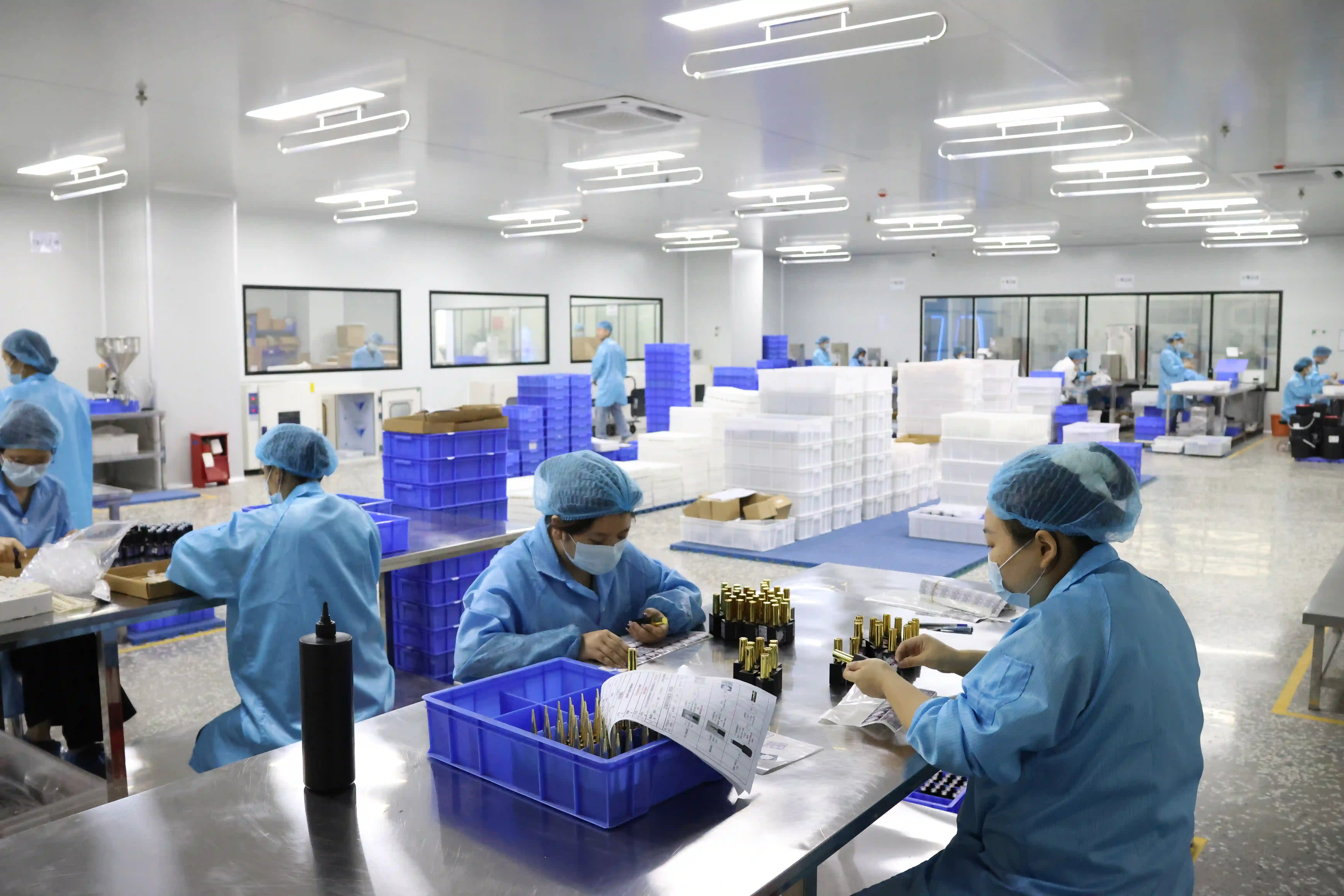
Professional gel polish manufacturers control viscosity through formulation development, standardized testing, production monitoring, and stability evaluation. The objective is to maintain consistent product behavior across different production batches.
A reliable quality control process includes five key steps:
- Formula Development and Optimization: Select suitable raw materials and adjust their proportions to achieve the required flow, leveling, and application characteristics.
- Raw Material Inspection: Check incoming materials for consistency and confirm that they meet formulation requirements.
- Viscosity Testing: Use appropriate rotational viscometers to measure apparent viscosity under controlled conditions.
- Batch-to-Batch Consistency Control: Compare production samples against approved reference specifications to identify unwanted variations.
- Stability and Performance Testing: Evaluate product appearance, flow behavior, application, and storage stability before release.
How Should Buyers Choose the Right Gel Polish Viscosity?
B2B buyers should select gel polish viscosity according to the product category, target market, application method, and customer expectations. The thickest formula is not necessarily the best option.
Consider these five purchasing factors:
- Define the Product Category: Standard color gel polish, cat eye gel, builder gel, and other specialty products have different application requirements.
- Understand Your Target Customers: Professional salon users may prioritize precise application and efficiency, while retail consumers may prefer easy-to-control formulas.
- Evaluate Application Performance: Request samples and test brush smoothness, leveling, coverage, and product control.
- Check Curing Compatibility: Confirm that the formula works with the recommended UV/LED lamp and application instructions.
- Review Manufacturing Consistency: Ask suppliers about viscosity testing, batch control, and product stability procedures.
For importers, distributors, and private-label brands, working with an experienced gel polish manufacturer makes it easier to develop formulas that match specific market requirements.
С custom gel polish services, buyers can discuss texture, coverage, color effects, packaging, and other product specifications before confirming bulk orders.
Часто задаваемые вопросы
1. What Is the Ideal Viscosity for Gel Polish?
There is no universal ideal viscosity value for all gel polish products. The appropriate viscosity depends on the formula, product category, application method, and desired leveling behavior. Manufacturers should establish product-specific specifications through testing.
2. Is Thick or Thin Gel Polish Better?
Neither is automatically better. Thin gel polish spreads easily, while thick gel polish offers greater placement control. A balanced formula should match the intended application and provide a smooth, manageable coating.
3. Why Does My Gel Polish Become Thick?
Gel polish can become thicker because of temperature changes, unsuitable storage conditions, solvent loss where applicable, or formulation instability. Keep containers tightly closed and follow the manufacturer’s recommended storage instructions.
4. Does Gel Polish Viscosity Affect Curing?
Yes, indirectly. Viscosity can influence application thickness and coating uniformity, but curing also depends on photoinitiators, pigment properties, lamp compatibility, light intensity, and exposure time. Always follow the product’s curing instructions.
5. How Do Manufacturers Test Gel Polish Viscosity?
Manufacturers use rotational viscometers and controlled testing conditions to measure apparent viscosity. More comprehensive evaluations compare readings at different rotational speeds and assess flow recovery, application behavior, and storage stability.
Заключение
Gel polish viscosity is an important formulation parameter that affects application smoothness, self-leveling, coating thickness, and overall product experience. Selecting the right viscosity requires more than choosing between thick and thin formulas. It requires a balance between flow behavior, application control, and the intended product function.
Как ведущий производитель гель-лака для ногтей в Китае, YouGel provides professional OEM/ODM services with over 10,000 gel shades, including HEMA-free, TPO-free, Vegan, and Cruelty-free options. Through continuous product innovation and formulation development, we help importers, wholesalers, distributors, and private-label brands create gel polish products that meet their market requirements.
Looking for a reliable partner for your next gel polish collection? Contact YouGel today to discuss your custom gel polish requirements and request a quote.