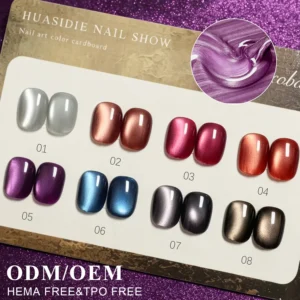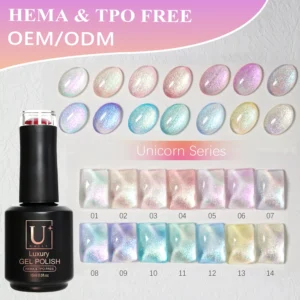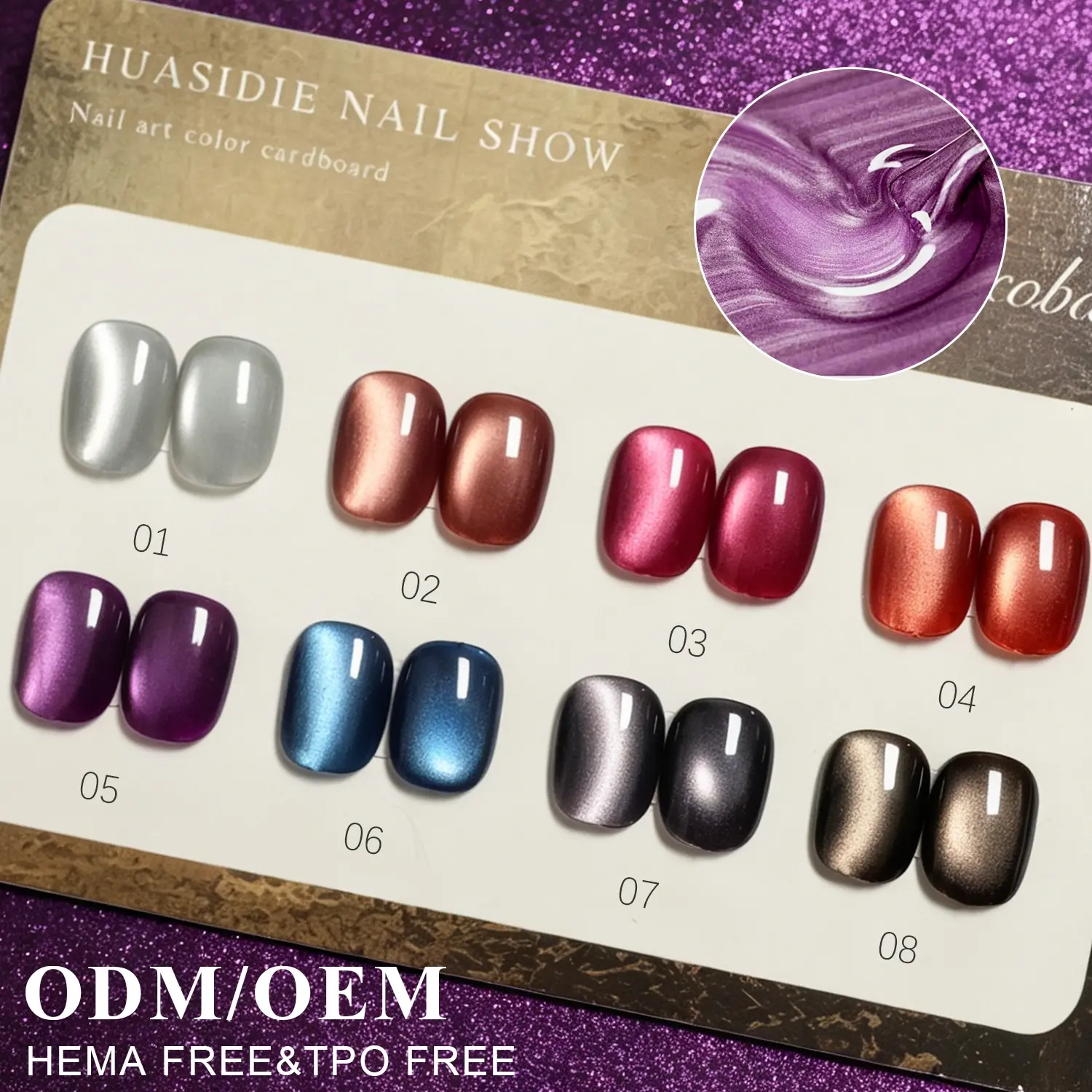
HEMA-Free vs. HEMA gel polish differ mainly in formulation, ingredient-related allergy risks, and market positioning. For distributors, choosing between them requires evaluating product performance, regulatory requirements, customer demand, and wholesale profitability.
YouGel, a professional gel nail polish manufacturer in China offering 10,000+ gel shades and OEM/ODM services, helps distributors develop competitive product portfolios with HEMA-free, TPO-free, Vegan, and Cruelty-free options.
What Is the Difference Between HEMA-Free vs. HEMA Gel Polish?
The main difference is that traditional HEMA gel polish contains 2-Hydroxyethyl Methacrylate (HEMA), while HEMA-free gel polish is formulated without this specific ingredient. Both products use UV/LED-curable systems, but their formulation choices can influence application characteristics and purchasing considerations.
HEMA is a reactive monomer commonly used in gel nail formulations to support adhesion and other formulation properties. However, it is also a recognized skin sensitizer.
HEMA-free formulations exclude this ingredient and use alternative ingredients to achieve the required curing and product performance.
| Comparison Factor | HEMA Gel Polish | HEMA-Free Gel Polish |
|---|---|---|
| Formulation | Contains HEMA | Formulated without HEMA |
| Adhesion | Depends on the complete formula | Depends on alternative formulation |
| Durability | Formula-dependent | Formula-dependent |
| Allergy considerations | HEMA can cause skin sensitization | Avoids HEMA exposure but may contain other sensitizing ingredients |
| Market positioning | Traditional professional nail products | Ingredient-conscious product positioning |
| Purchasing considerations | Check professional-use restrictions | Verify complete ingredient composition |
| Target customers | Traditional salon and professional channels | Distributors targeting HEMA-free product demand |
Important: HEMA-free does not mean acrylate-free, allergy-free, or hypoallergenic. Other acrylates and methacrylates can also cause allergic contact dermatitis.
How Does HEMA-Free vs. HEMA Gel Polish Affect Product Performance?
Neither formula automatically delivers better adhesion, durability, flexibility, or curing results. Actual performance depends on the complete formulation, raw materials, manufacturing controls, application technique, and compatible curing equipment.
Distributors should evaluate both products through standardized sample testing rather than relying on marketing claims.
| Performance Factor | What Distributors Should Evaluate |
|---|---|
| Adhesion | Resistance to premature lifting and peeling |
| Durability | Resistance to chipping and wear |
| Flexibility | Ability to withstand normal nail movement |
| Viscosity | Consistency and ease of application |
| Self-Leveling | Smooth application without excessive pooling |
| Curing Performance | Complete curing under the recommended lamp |
| Color Stability | Consistent shade and gloss retention |
A practical purchasing approach is to request samples of both formulations and test them under identical conditions.
Use the same nail preparation process, base coat, application thickness, curing lamp, curing time, and top coat. Record lifting, chipping, curing behavior, and wear performance.
This allows distributors to compare actual product quality instead of assuming that one formulation is superior.
Why Does HEMA-Free Gel Polish Matter for Distributors?
HEMA-free gel polish gives distributors another product positioning option, particularly when serving professional buyers who prioritize ingredient transparency and reducing HEMA exposure.
The market shift is supported by recent research.
A 2026 study published in Contact Dermatitis, titled Beyond HEMA: Shifts in the (Meth)acrylate Composition of Matched Nail Cosmetics Between 2023 and 2026, compared ingredient lists from 127 matched nail cosmetic products.
The study found:
- HEMA appeared in 65.4% of matched products in 2023.
- By 2026, the figure had decreased to 16.5%, representing a 75% relative reduction.
- Di-HEMA trimethylhexyl dicarbamate decreased from 27.6% to 7.1%.
These findings demonstrate a substantial change in the ingredient composition of the products studied. However, they do not represent the entire global gel polish market or prove that HEMA-free products have replaced traditional formulas in every market.
For distributors, three business opportunities stand out:
1. Product Differentiation
Offering HEMA-free options allows distributors to serve buyers seeking specific ingredient profiles and expand beyond conventional gel polish collections.
2. Customer Acquisition
HEMA-free product lines create additional selling opportunities among professional salons, independent nail brands, and retailers looking for differentiated product selections.
3. Brand Positioning
Distributors can build a more diverse catalog around formulation transparency, professional quality, and clearly documented product specifications.
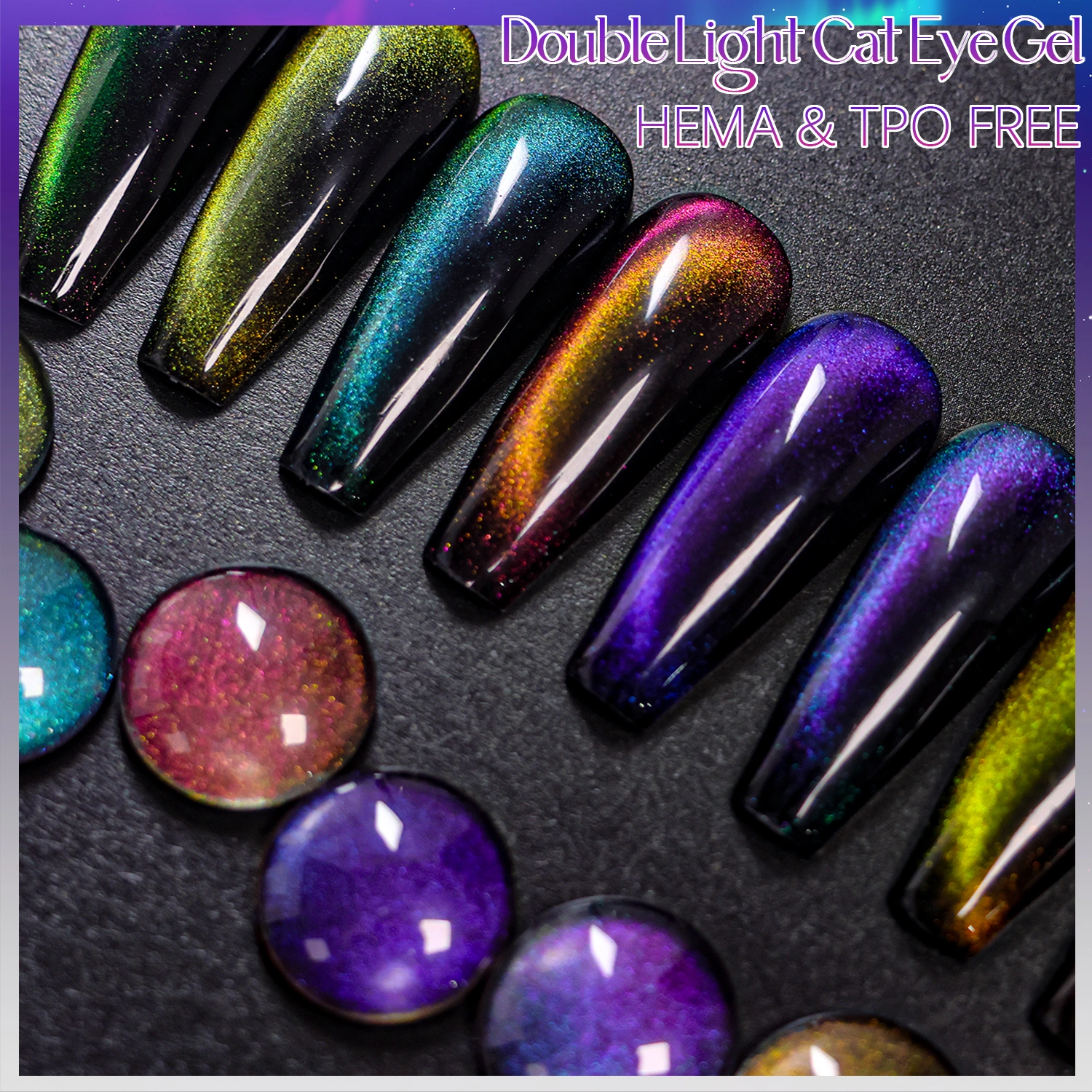
What Safety and Regulatory Requirements Should Distributors Know?
HEMA-free products eliminate HEMA as an ingredient, but distributors must still review the complete formulation and applicable cosmetic regulations before importing or selling gel polish.
For European buyers, HEMA compliance deserves particular attention.
Under EU Commission Regulation (EU) 2020/1682, HEMA and Di-HEMA Trimethylhexyl Dicarbamate are restricted to professional-use nail products. Products containing these substances must carry the warnings:
- For professional use only.
- Can cause an allergic reaction.
The relevant restrictions became applicable to products made available on the EU market from September 3, 2021.
For distributors, this means checking ingredient declarations, intended use, labeling, and market-specific compliance before purchasing.
The US FDA’s Nail Care Products guidance also explains that residual reactive methacrylate monomers can cause adverse reactions in people who have become sensitized.
Before approving a supplier, distributors should request:
- Full Ingredient Information: Verify the presence or absence of HEMA and review other acrylates and methacrylates.
- Safety Data Sheet (SDS): Review relevant hazard classifications and safe-handling information.
- Product Testing Documents: Request available safety, stability, and performance test reports.
- Regulatory Documentation: Confirm the documents and labeling required for the destination market.
- Consistent Formulation Records: Ensure the approved formulation matches the product supplied in bulk orders.
A HEMA-free label alone is not sufficient evidence of overall product safety or regulatory compliance.
Should Distributors Stock HEMA-Free vs. HEMA Gel Polish?
Distributors should select products according to customer demand, market requirements, pricing strategy, and existing sales channels rather than replacing every traditional formula with HEMA-free alternatives.
The following product portfolio strategy helps balance market coverage and purchasing risk.
| Business Situation | Recommended Product Strategy | Business Objective |
|---|---|---|
| Established salon customers | Maintain proven traditional formulas where legally permitted | Protect existing sales |
| Customers requesting HEMA-free options | Introduce HEMA-free collections | Expand customer reach |
| Private-label nail brands | Develop differentiated HEMA-free formulations | Build brand value |
| Price-sensitive wholesale buyers | Compare landed costs and product performance | Maintain competitive pricing |
| New market entry | Research local regulations and buyer preferences first | Reduce compliance and inventory risks |
A practical insight: Build a two-tier product portfolio instead of making an all-or-nothing switch.
Distributors can maintain traditional professional formulas for suitable existing markets while gradually introducing HEMA-free collections for customers seeking alternative formulations.


This approach creates a measurable way to test demand without immediately replacing established inventory.
Track four indicators during the first purchasing cycle:
- Sample-to-order conversion rate.
- Repeat purchase rate.
- Gross margin per SKU.
- Inventory turnover.
These figures help determine whether HEMA-free products deserve a larger share of future wholesale orders.
How Can Distributors Choose a Reliable HEMA-Free Gel Polish Manufacturer?
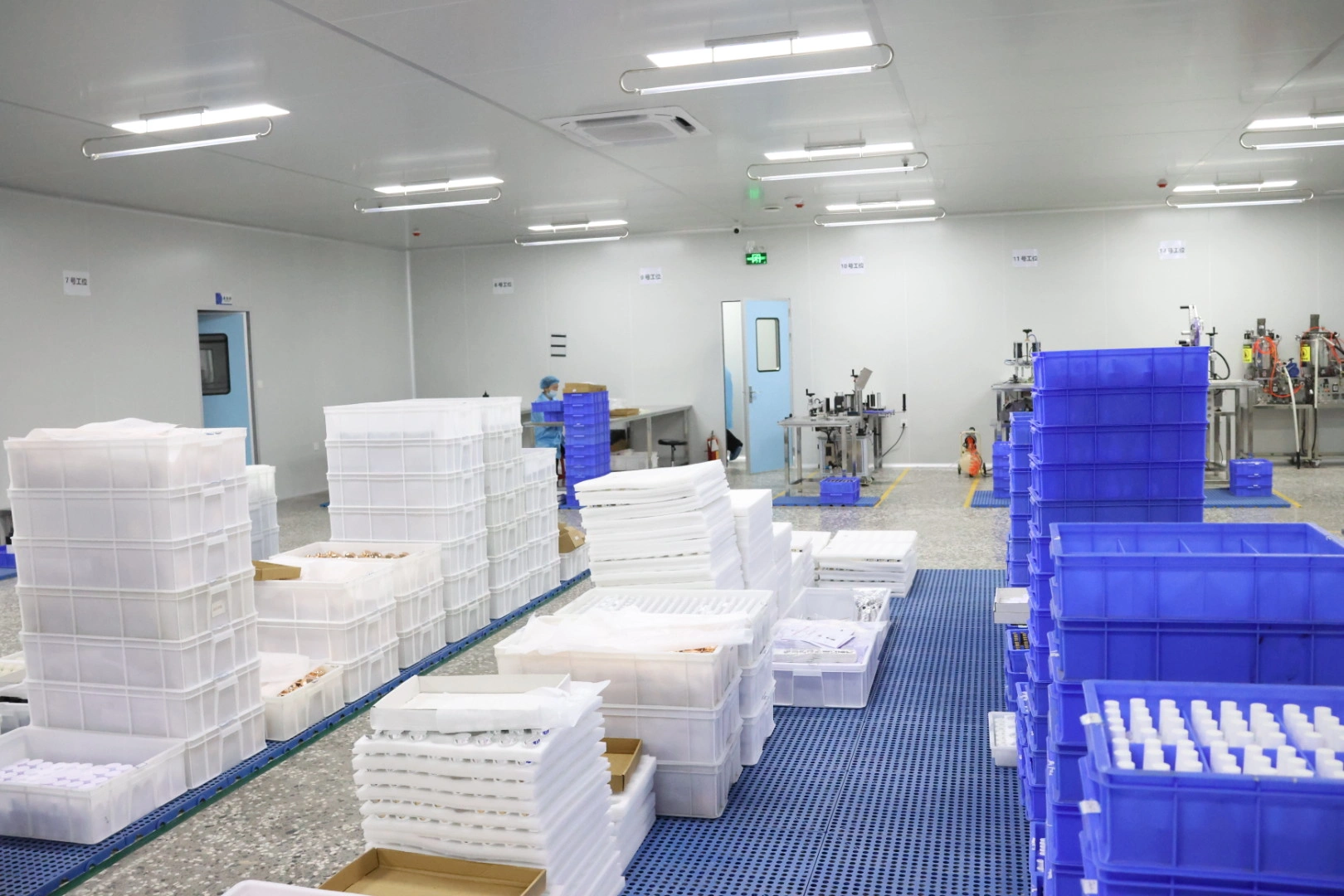
A reliable HEMA-free gel polish manufacturer must demonstrate formulation transparency, consistent production quality, documented product specifications, and the ability to support long-term wholesale orders.
Before placing a bulk order, distributors should evaluate suppliers using the following checklist.
1. Verify the Formulation
Request ingredient lists and confirm that HEMA is not included. Do not rely exclusively on product descriptions or advertising claims.
2. Test Product Samples
Evaluate adhesion, viscosity, curing behavior, flexibility, and durability using consistent testing conditions.
3. Review Manufacturing and Quality Control
Ask about raw material inspection, batch testing, production consistency, and finished-product quality checks.
4. Confirm OEM/ODM Capabilities
For private-label brands, check whether the manufacturer supports custom shades, packaging, branding, and formulation development.
5. Evaluate Bulk Supply Capacity
Confirm MOQ, lead times, production capacity, packaging options, and batch consistency before committing to large orders.
Choosing a manufacturer based on these factors helps distributors reduce sourcing risks and establish a more reliable supply chain.
FAQ
1. Is HEMA-free gel polish better than traditional HEMA gel polish?
HEMA-free gel polish avoids HEMA as an ingredient, making it an alternative for buyers seeking to reduce HEMA exposure. However, overall performance and allergy risks depend on the complete formulation.
2. Does HEMA-free gel polish last as long as traditional gel polish?
Yes, a properly formulated HEMA-free gel polish can deliver comparable durability. Actual results depend on formulation quality, application technique, and curing conditions.
3. Is HEMA-free gel polish completely allergy-free?
No. Other acrylates and methacrylates can also cause allergic reactions. HEMA-free should never be marketed as allergy-free.
4. Should distributors switch entirely to HEMA-free gel polish?
Not necessarily. Maintaining a diversified product portfolio allows distributors to serve different customer segments while evaluating demand and profitability.
5. What should buyers check before purchasing wholesale HEMA-free gel polish?
Buyers should verify ingredient lists, request SDS and relevant compliance documents, test samples, evaluate manufacturing quality, and confirm bulk supply capabilities.
Conclusion
The choice of HEMA-free vs. HEMA gel polish is a business decision that affects product positioning, customer acquisition, inventory planning, and wholesale profitability. Distributors should evaluate both formulations based on verified performance, ingredient transparency, regulatory requirements, and target-market demand.
As a leading gel nail polish manufacturer in China, YouGel provides premium OEM/ODM services with 10,000+ gel shades, including HEMA-free, TPO-free, Vegan, and Cruelty-free options. We continuously innovate to deliver high-quality, trend-driven products at competitive prices. Whether you are a distributor expanding your HEMA-free collection or a private-label brand developing a new gel polish line, contact YouGel today to discuss wholesale supply, custom formulations, and OEM/ODM cooperation.
-

Yougel Gel Nail Polish Colors for Fall, 15ml New Arrivals 36 Colors Gel Polish Factory
-
Wholesale Water Light Cat Eye Gel HEMA & TPO Free, 8 Colors Magnetic Gel Set Supplier
-
Wholesale UV LED Gel Polish Factory, CE Certified Non-Toxic Formula | YOUGEL Nail Art Supply
-
Wholesale Unicorn Cat Eye Gel Polish 15ml, HEMA & TPO-Free Aurora Shimmer Gel Factory Direct