Choosing between a gel polish manufacturer vs. trading company depends on your purchasing priorities, customization requirements, and long-term supply strategy. Working directly with a gel polish manufacturer offers greater production transparency, tighter quality control, and more efficient OEM/ODM coordination. In contrast, trading companies provide convenient sourcing services and access to a wider range of products from multiple suppliers. Understanding these differences can help buyers make informed sourcing decisions and build a more reliable supply chain.
YouGel is a China-based gel nail polish manufacturer offering OEM/ODM services, 10,000+ gel shades, and HEMA-free, TPO-free, Vegan, and Cruelty-free options for global importers, wholesalers, distributors, and private label brands.
Before placing a bulk order, buyers should understand how these two supplier models work and which one supports their business goals.
What Is a Gel Polish Manufacturer?
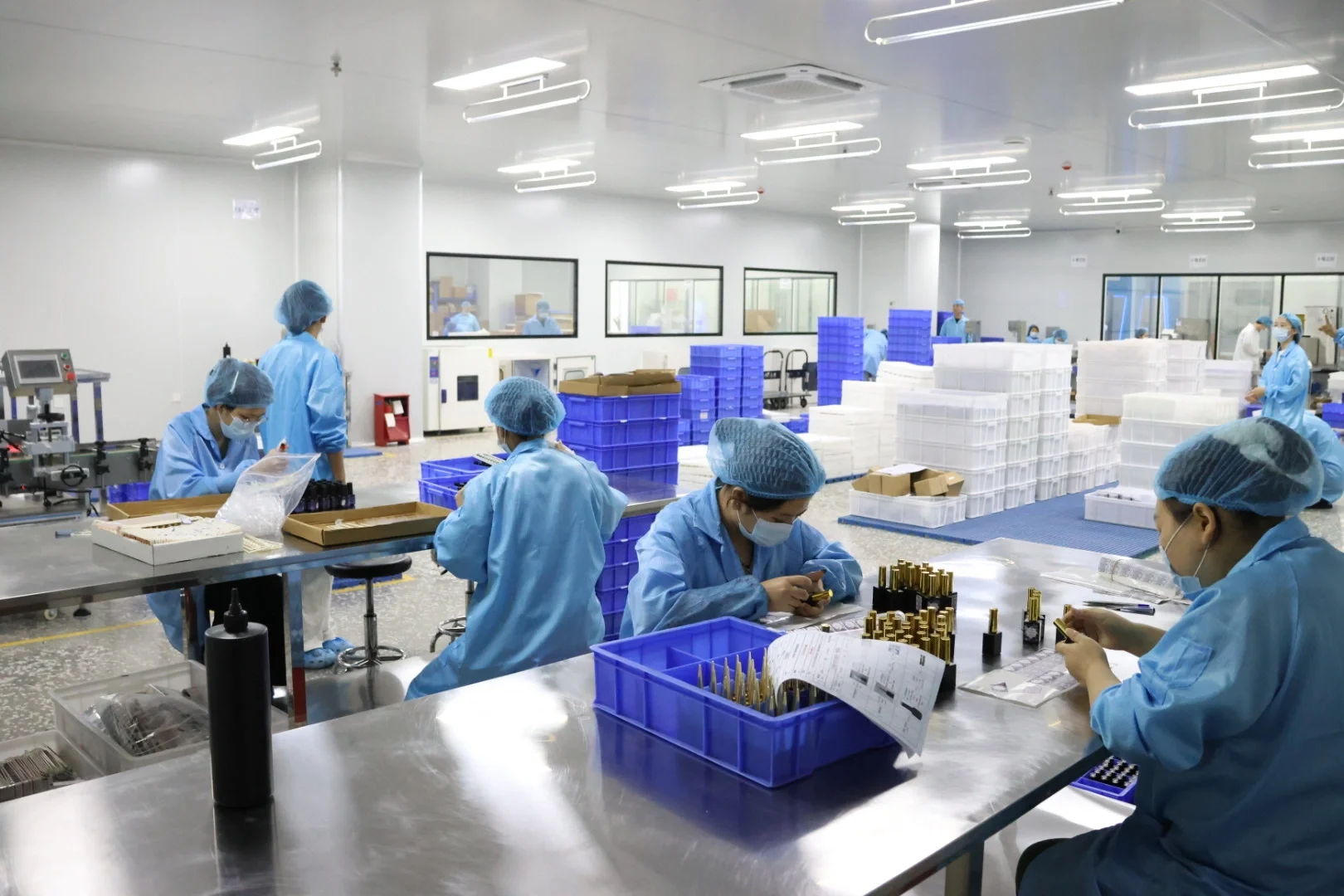
A gel polish manufacturer is a company that directly produces gel nail polish through its own manufacturing operations. Its responsibilities may include formula development, raw material sourcing, color matching, production, filling, packaging, and quality inspection.
Unlike an intermediary, a genuine manufacturer has direct control over its production processes and can provide buyers with more detailed information about how products are made.
For B2B buyers, working with a gel polish manufacturer offers several advantages:
- Direct production management: Buyers can communicate with the team responsible for manufacturing rather than relying entirely on an intermediary.
- Product development: Manufacturers can support formula adjustments, color development, and product customization.
- Quality control: Production parameters and inspection procedures can be managed closer to the manufacturing process.
- OEM/ODM services: Manufacturers with suitable capabilities can develop customized products and private label collections.
- Supply planning: Direct access to production schedules helps buyers coordinate repeat orders and inventory requirements.
However, not every company claiming to be a manufacturer owns its production facilities. Buyers should verify factory operations, equipment, production records, and quality management practices before signing a long-term agreement.
What Is a Gel Polish Trading Company?
A gel polish trading company purchases products from manufacturers and resells them to overseas customers. It usually focuses on supplier sourcing, product selection, export coordination, customer communication, and order management.
Trading companies do not necessarily manufacture the products they sell. Instead, they work with one or more factories to fulfill customer orders.
This business model can provide practical benefits:
- Multiple product categories: Buyers can source nail lamps, manicure tools, nail art accessories, and gel polish through one supplier.
- Sourcing convenience: Trading companies can coordinate different manufacturers and consolidate purchasing requirements.
- Export experience: Established trading companies may offer valuable shipping, documentation, and international communication support.
- Flexible product selection: Buyers can compare products from different factories without contacting each manufacturer individually.
A trading company is not automatically less reliable than a manufacturer. Some have experienced sourcing teams, established factory partnerships, and effective quality management systems.
The important question is whether the company can provide transparent information about its actual manufacturing partners and consistently meet your product requirements.
What Are the Main Differences Between a Gel Polish Manufacturer vs. Trading Company?
The key difference between a gel polish manufacturer vs. trading company is control over production. Manufacturers directly manage manufacturing activities, while trading companies coordinate orders through external production partners.
The following comparison highlights seven factors that matter most to B2B buyers.
| Comparison Factor | Manufacturer | Trading Company |
|---|---|---|
| Production | Direct manufacturing | Outsourced manufacturing |
| Pricing | Direct factory quotation | May include intermediary margins |
| Quality Control | Direct production oversight | Depends on partner factories and inspection arrangements |
| Customization | Direct technical coordination | Depends on factory capabilities |
| Communication | Direct access to production teams | An additional communication layer may be involved |
| Production Transparency | Easier to verify factory processes | Requires disclosure and verification of partner factories |
| Long-Term Supply | Direct production planning | Depends on supplier relationships and agreements |
1. Pricing and Purchasing Costs
Direct manufacturers generally provide more transparent factory-level quotations because buyers communicate with the production source. Trading companies may add service fees or commercial margins to their purchase costs.
However, the lowest quotation does not always represent the lowest total purchasing cost. Buyers should compare packaging, printing, customization, testing, shipping arrangements, defect rates, and repeat-order costs.
2. Product Quality and Consistency
A manufacturer can manage production parameters, raw material specifications, filling processes, and batch inspections directly.
A trading company must coordinate these activities with its manufacturing partners. Its quality performance therefore depends on the reliability of those partners and the effectiveness of its inspection procedures.
3. OEM/ODM Customization
A capable manufacturer can coordinate formula development, color matching, packaging design, and production adjustments with its technical team.
A trading company can also provide customization, but the actual development work is usually completed by an external factory. This creates an additional coordination step.
4. Minimum Order Quantity (MOQ)
Neither business model automatically guarantees a lower MOQ. Manufacturers set MOQs according to formulation, packaging, production equipment, and order complexity. Trading companies may combine orders or negotiate with different factories.
Always request a clear MOQ breakdown for standard products, custom colors, custom packaging, and new formula development.
5. Communication Efficiency
Direct factory communication reduces the number of parties involved in technical discussions. This is especially important when handling formula changes, color differences, packaging specifications, or production problems.
6. Lead Time and Supply Planning
Manufacturers have direct access to production schedules and can explain capacity constraints, material availability, and production stages.
Trading companies depend on factory schedules and must coordinate delivery information with their partners.
7. Product Development and Market Adaptation
Direct cooperation with a manufacturer makes it easier to discuss new formulations, seasonal color collections, and changing customer preferences. This is valuable for brands that regularly update their product portfolios.
What Are the Advantages and Disadvantages of Buying Directly from a Gel Polish Manufacturer?
Buying directly from a gel polish manufacturer gives B2B customers closer access to production, product development, and quality management. However, buyers must also evaluate the factory’s service capabilities, communication standards, and export experience.
Advantages
- More direct communication about formulas and manufacturing specifications.
- Greater visibility into production processes and quality inspections.
- Better coordination for OEM/ODM and private label projects.
- Direct discussion of production schedules and repeat orders.
- Easier development of long-term product specifications.
Potential challenges
- Some factories focus primarily on production and have limited international sales support.
- Small orders may not meet the manufacturer’s production MOQ.
- Buyers may need to manage more details about packaging, documentation, and shipping.
- Not every factory has the same technical capabilities or export experience.
The best solution is to choose a manufacturer that combines genuine production capabilities with professional international B2B service.
When Should You Choose a Trading Company Instead?
A trading company is a suitable choice when your purchasing strategy prioritizes product variety, sourcing convenience, and consolidated order management rather than direct control over manufacturing.
Consider working with a trading company when:
- You purchase multiple product categories. One trading partner may coordinate gel polish, nail tools, lamps, and other beauty products from different factories.
- You have limited sourcing resources. An experienced trading company can handle supplier communication and export coordination.
- You need smaller consolidated orders. Some trading companies can combine products from several manufacturers, subject to their suppliers’ MOQ requirements.
- You prioritize sourcing convenience. A reliable intermediary can reduce the time spent communicating with multiple factories.
Before choosing this model, ask whether the trading company discloses its production partners, conducts incoming inspections, and maintains clear procedures for handling defective products.
A professional trading company should be able to explain where your products are manufactured and how quality issues are resolved.
Which Supplier Is Better for Private Label Gel Polish?
For buyers building a long-term nail brand, a qualified private label gel polish manufacturer is generally the stronger choice because it provides direct coordination of product development, formulation, packaging, and repeat production.
Private label projects require more than putting a logo on a bottle. Buyers need to manage several connected specifications:
- Formula requirements: HEMA-free, TPO-free, or other market-specific formulation needs.
- Color development: Custom shades, seasonal collections, and color consistency.
- Packaging: Bottle capacity, brush design, labels, cartons, and branding.
- Product testing: Performance, stability, compatibility, and appropriate quality checks.
- Production consistency: Repeat orders that follow approved specifications.
An experienced OEM gel polish manufacturer can coordinate these requirements with its production and technical teams.

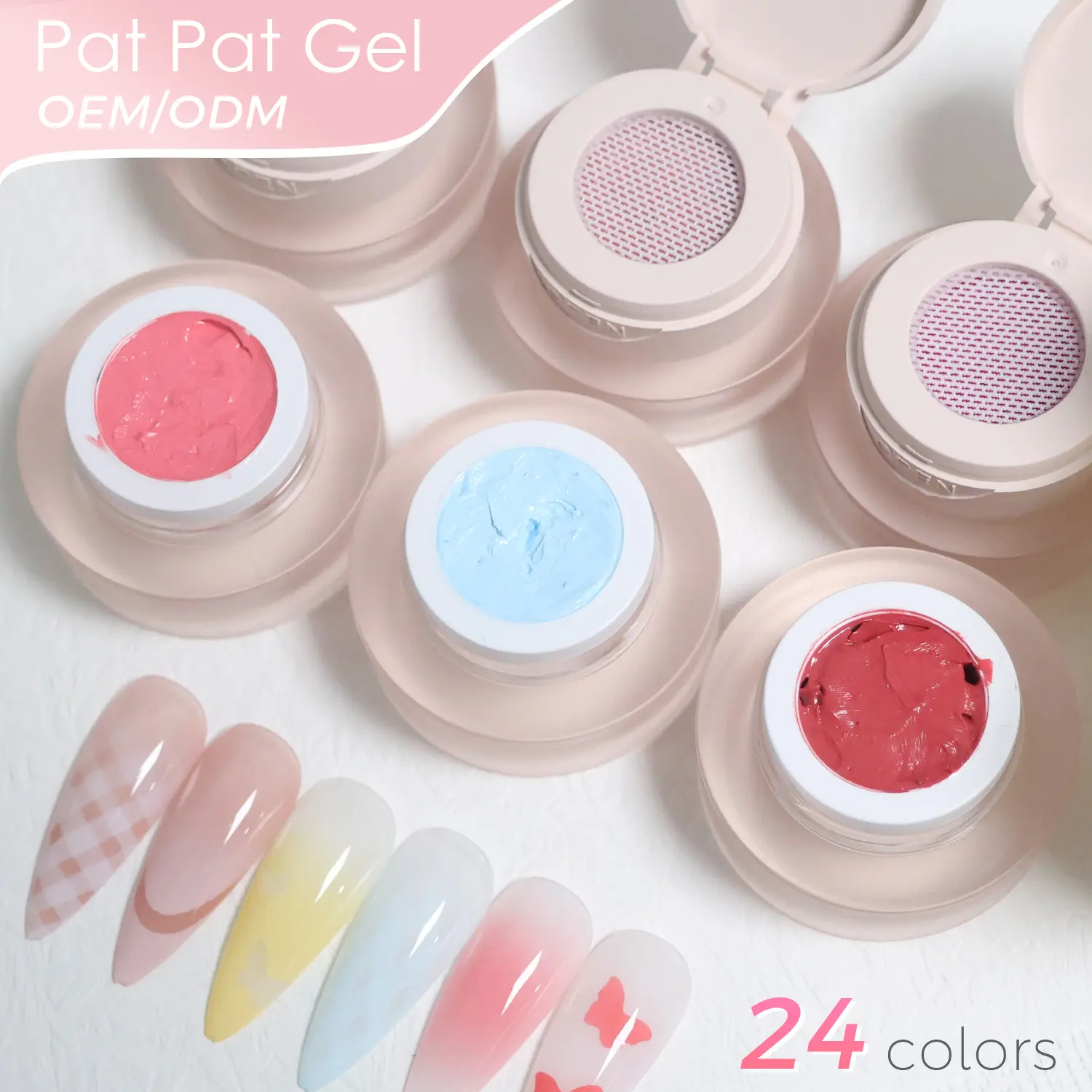
For example, a distributor launching a 24-color private label collection needs consistent color references, approved formulas, packaging specifications, and repeatable filling standards. Direct communication with the factory helps keep these details aligned throughout production.
A trading company may still be suitable if it has a stable manufacturing partner and documented control over the customization process. The deciding factor is not the supplier’s business label but its actual ability to deliver your approved specifications.
How Can You Verify a Reliable Direct Gel Polish Manufacturer in China?
Before choosing a direct gel polish manufacturer, verify its production capability, quality management, product documentation, and ability to support your target market.
Use this six-step supplier verification process:
Step 1: Verify the Manufacturing Facility
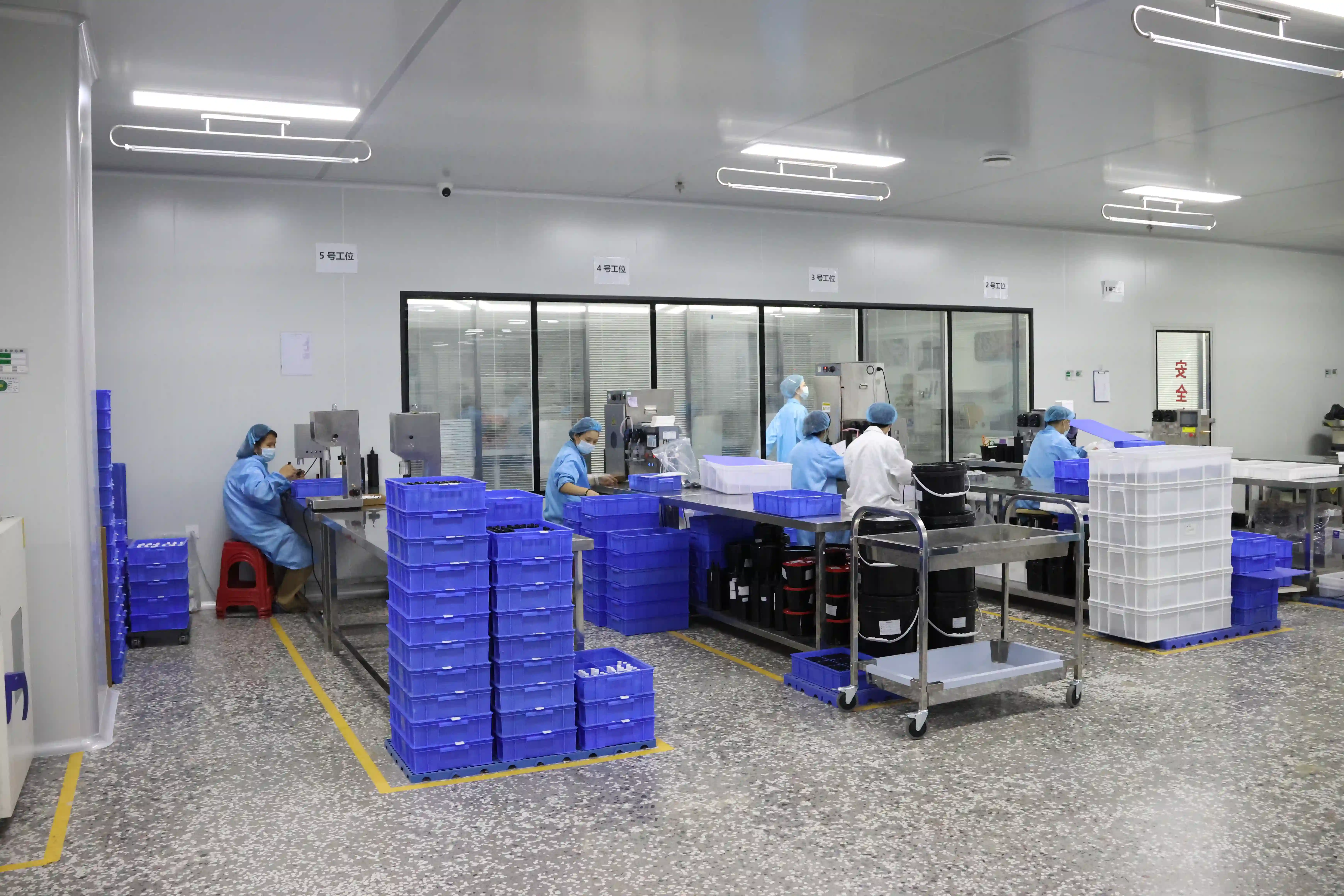
Request the factory address, production videos, equipment information, and a live factory tour when possible. Confirm whether the company operates its own production facility or outsources manufacturing.
Step 2: Review Manufacturing and Quality Management
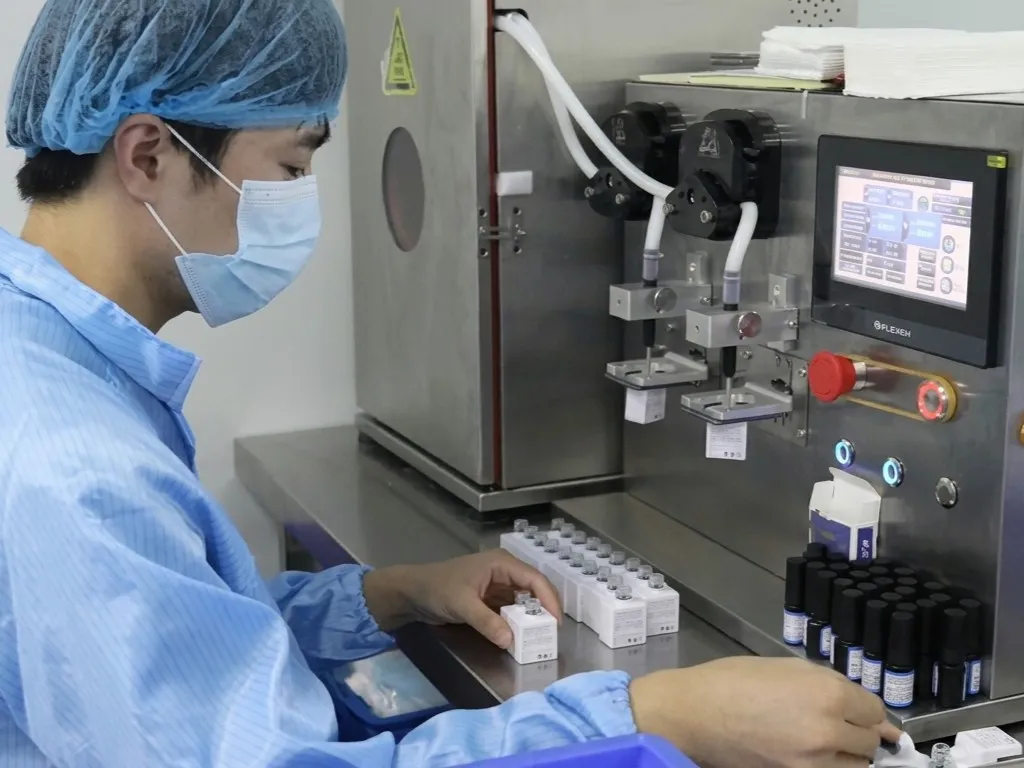
Ask about raw material inspection, formula control, filling accuracy, finished-product inspection, and batch traceability.
ISO 22716 is an important reference for cosmetic Good Manufacturing Practices. According to the International Organization for Standardization, it covers production, control, storage, and shipment of cosmetic products.
Step 3: Request Samples and Test Product Performance
Evaluate application, pigmentation, curing performance, consistency, packaging, and product stability. Conduct appropriate testing before approving a bulk order.
Step 4: Check Regulatory Documentation
Requirements depend on the destination market. For the EU, verify applicable cosmetic product safety and compliance documentation, including the Responsible Person and Product Information File arrangements.
For the US market, the Modernization of Cosmetics Regulation Act (MoCRA) introduced facility registration and cosmetic product listing requirements, subject to applicable exemptions.
The FDA requires covered cosmetic facilities to renew registration every two years, while the responsible person must update applicable product listings annually.
Step 5: Confirm Formula Compliance for Your Target Market
Do not rely on general claims such as “EU compliant” or “safe formula.” Request ingredient information and verify the requirements of your destination market.
For example, the European Commission confirms that TPO has been prohibited in cosmetic products in the EU since September 1, 2025. Products containing TPO cannot be newly placed on or subsequently made available on the EU market.
Step 6: Confirm Commercial and After-Sales Terms
Get written confirmation of MOQ, payment terms, production lead time, packaging specifications, inspection procedures, defect handling, and repeat-order arrangements.
A Practical Tip: Build a Three-Document Traceability Chain
One additional check can help buyers distinguish a genuinely capable factory from a supplier that only coordinates orders.
For every approved private label product, request a linked record containing:
- Approved product specification: Formula version, color reference, packaging details, and agreed product requirements.
- Production batch record: Batch or lot number, production date, and relevant manufacturing information.
- Finished-product inspection record: Inspection results, release status, and any corrective actions.
These three records should be traceable to the same product and production batch. This creates a practical link between what you approved, what the factory produced, and what you received.
It is particularly valuable for distributors managing multiple colors and repeat orders.
Frequently Asked Questions
Q1. Is it cheaper to buy gel polish directly from a manufacturer?
Direct purchasing can reduce intermediary costs and provide more transparent factory quotations. However, compare the total landed cost, including packaging, customization, testing, shipping, and order quantities, rather than comparing unit prices alone.
Q2. Can a trading company provide private label gel polish?
Yes. Trading companies can arrange private label production through partner factories. Buyers should verify which factory manufactures the products and who controls formula approval, quality inspection, and repeat production.
Q3. What is the best MOQ for wholesale gel polish?
There is no universal MOQ. It depends on the formula, bottle type, packaging, color requirements, and production process. Request separate MOQ quotations for standard products and customized orders.
Q4. How do I know whether a gel polish supplier is a real manufacturer?
Request a factory address, production videos, equipment details, manufacturing records, and a live factory tour. Verify that the company can explain its production and quality control processes directly.
Q5. Why should private label brands work with an OEM gel polish manufacturer?
An experienced OEM gel polish manufacturer can coordinate product specifications, color development, packaging, and production directly. This improves communication and helps maintain consistency across repeat orders.
Q6. What should I check before placing a bulk gel polish order?
Confirm product samples, approved formulas, ingredient information, packaging specifications, MOQ, lead time, quality inspection procedures, regulatory documentation, and after-sales terms before approving mass production.
Conclusion
Choosing between a gel polish manufacturer vs. trading company depends on your sourcing priorities, product requirements, and long-term business goals. Trading companies offer sourcing convenience and access to multiple product categories, while direct manufacturers provide closer control over production, quality management, product customization, and supply planning.
For importers, wholesalers, distributors, and private label brands looking to build competitive nail product lines, partnering with an experienced gel polish manufacturer is a strategic investment. Direct factory cooperation makes it easier to develop customized formulas, maintain product consistency, and establish a more reliable supply chain.
Why Choose YouGel as Your Gel Polish Manufacturing Partner?
For importers, wholesalers, distributors, and private label brands seeking a reliable gel polish manufacturer in China, YouGel provides professional OEM/ODM services supported by a broad product portfolio and manufacturing experience.
With more than 10,000 gel polish shades, YouGel helps buyers develop product collections for different market segments, brand identities, and customer preferences.
Our product options include HEMA-free, TPO-free, Vegan, and Cruelty-free formulations, helping business customers explore product lines that match their market positioning and applicable requirements.
YouGel supports B2B partners with:
- Extensive Color Selection: More than 10,000 gel shades for diverse product collections.
- OEM/ODM Customization: Solutions for private label brands, distributors, and wholesalers.
- Specialized Formulation Options: HEMA-free and TPO-free choices, alongside Vegan and Cruelty-free product options.
- Market-Oriented Product Development: Trend-driven colors and product solutions for evolving nail industry demands.
- Wholesale Supply Support: Competitive quotations and customized solutions for bulk purchasing.
Whether you are launching a new nail brand, expanding an existing product range, or sourcing a long-term wholesale gel polish supplier, YouGel is ready to discuss your requirements.
Contact YouGel today to request a quotation, explore product samples, and develop your next private label gel polish collection.
-

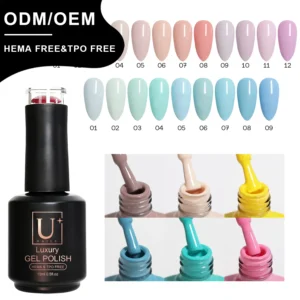
15ml Gel Polish Colors Bulk, 3000 Colors TPO-Free Private Label Gel Nail Polish
-
15ML Vegan Gel Nail Polish Wholesale, TPO-Free Formula UV/LED Esmalte Permanente Supplier
-
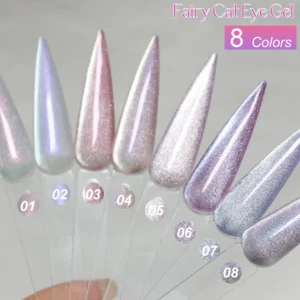
8 Colors Fairy Cat Eye Gel Wholesale, TPO-Free Nail Gel Polish Supplier | YOUGEL
-
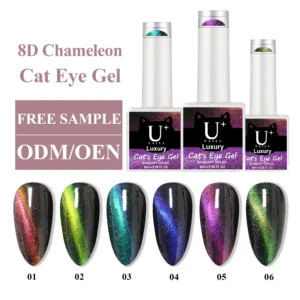
8D Chameleon Cat Eye Gel Polish Factory Wholesale, TPO-Free Magnetic Nail Gel